Why Improving Energy Efficiency in Existing Residential Buildings Matters
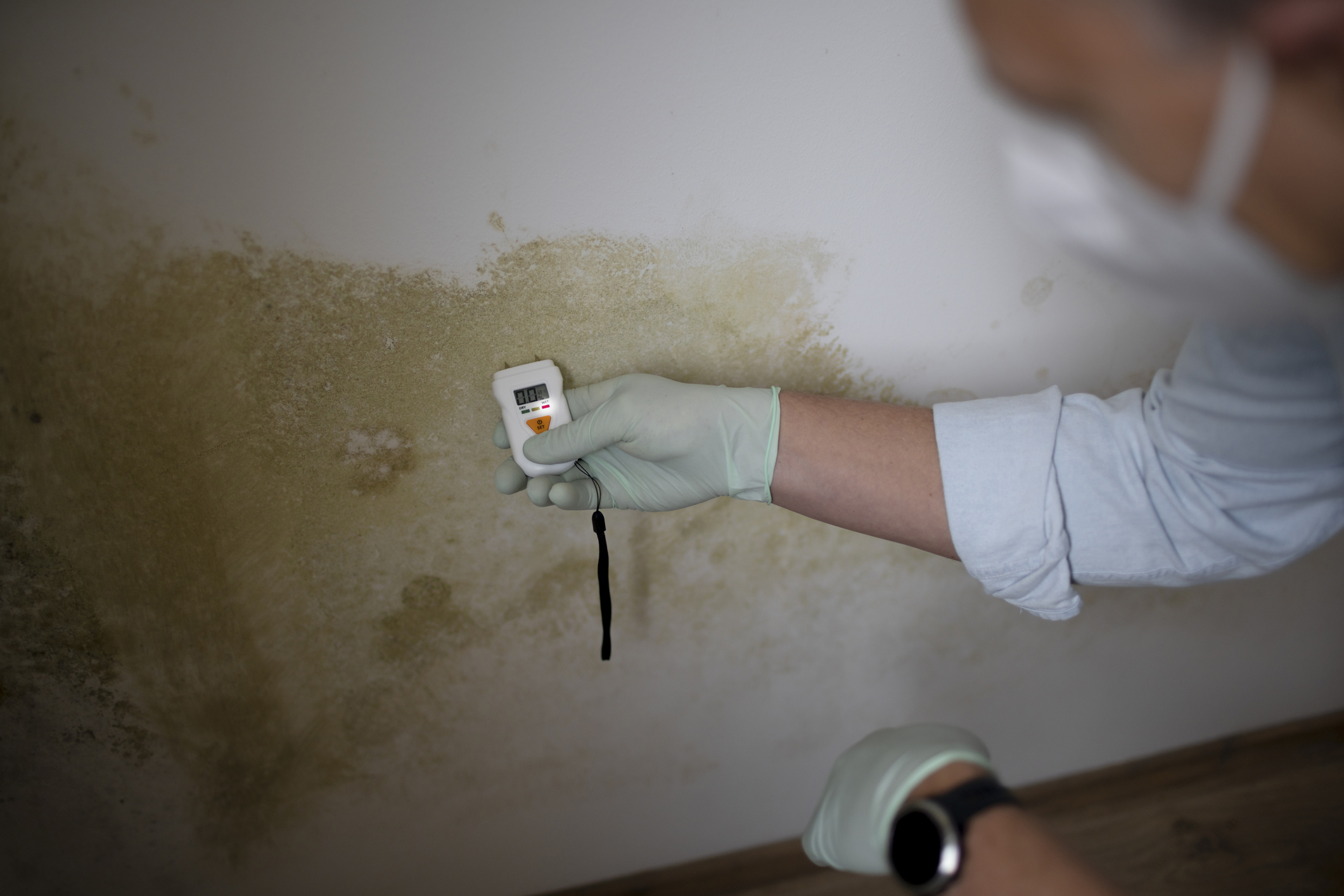
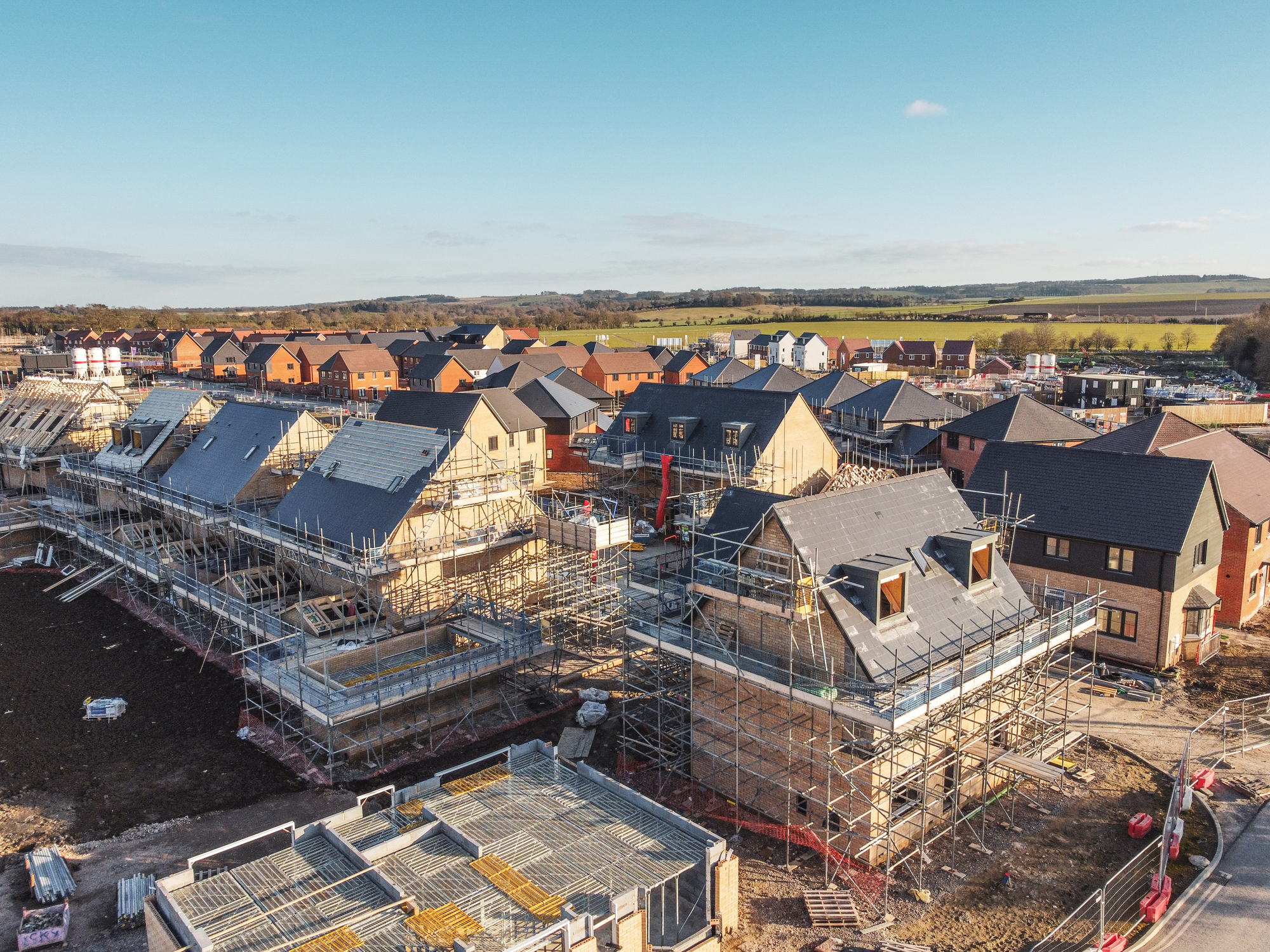
With worldwide focus on reducing carbon emissions, there’s various ways that we are trying to tackle the issue, and improving energy efficiency is one which is of a high priority for us here in America. Not only is this to help net zero goals, it will also help reduce heating and cooling costs, increase year-round comfort and minimize risk of condensation and consequent health risks. But with most of the existing US housing stock built before modern energy codes and lacking in the thermal performance expected today, retrofitting these residential buildings will be essential to help meet targets.
Why Thermal Bridging Is Often Missed in Residential Retrofit Projects
There are multiple ways to retrofit residential buildings to improve energy efficiency, such as upgrading insulation and windows or installing HVAC systems, but one critical issue is frequently overlooked when retrofitting buildings – thermal bridging.
How Thermal Bridging Occurs in Residential Buildings
Occurring where the continuous insulation is disrupted, thermal bridging allows for heat to transfer through highly conductive materials such as steel, concrete, or masonry.
Where Thermal Bridging Causes Heat Loss in Residential Buildings
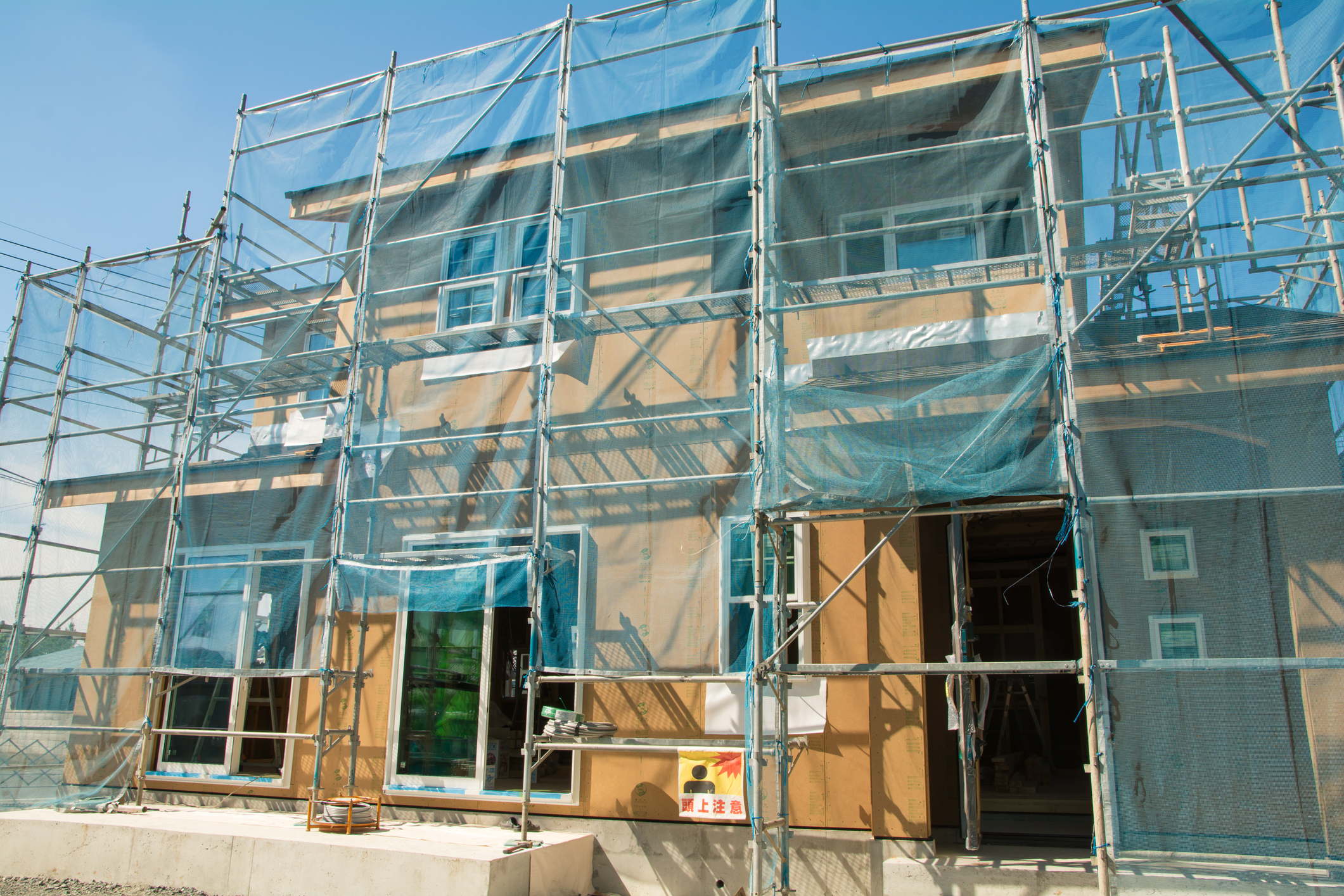
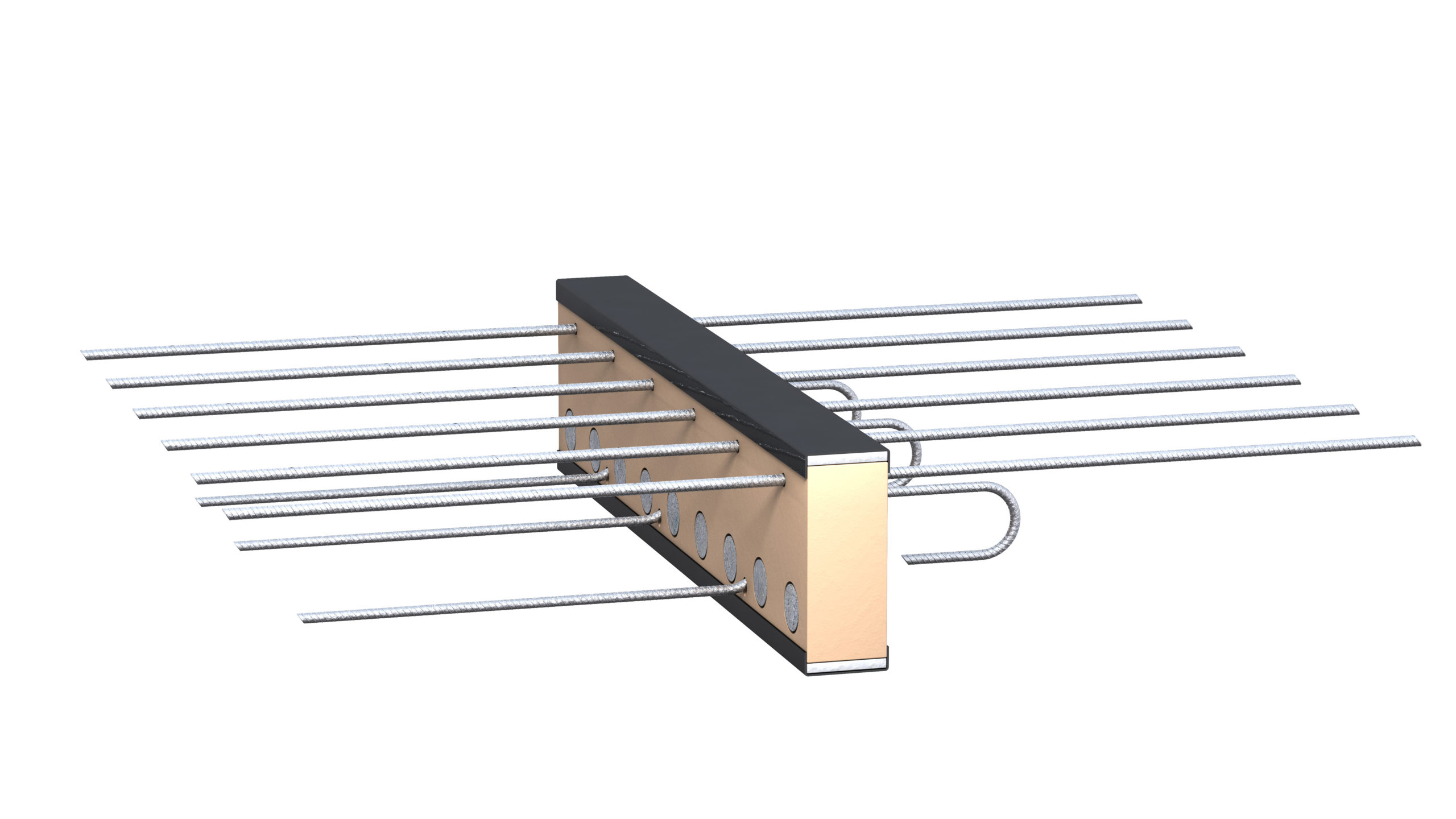
In residential buildings, this often happens at balconies, wall-to-floor junctions, roof connections, parapets and structural penetrations. Even well-insulated homes can lose a significant amount of energy through these weak points, leading to higher utility bills, cold interior surfaces and an increased risk of condensation and moisture-related damage. Armatherm weight bearing structural insulation can insulate transition areas that could not previously be insulated. This allows for more continuous insulation and less thermal bridges.
Why Thermal Bridging Reduces the Effectiveness of Other Retrofit Upgrades
During retrofit projects visible or familiar improvements are typically addressed first and while these upgrades are valuable, they may not deliver their full performance potential if thermal bridging continues to occur. In some cases, thermal bridging can account for up to 30% of heat loss through the building envelope, undermining other efficiency investments.
Using Thermal Break Solutions in Residential Retrofit Applications
Typically specified in new constructions, thermal break solutions can be more easily installed when drawn into initial plans, but this doesn’t mean they can’t be implemented in retrofitting projects. It does mean that it is more challenging than in new construction, but it is achievable. The key to combating thermal bridging is putting solutions in place that will maintain continuous insulation wherever possible.
Heat Loss Areas to Address in Existing Residential Buildings
For existing residential buildings, common sources of heat loss include exposed slab edges, uninsulated roof-to-wall connections and steel-supported architectural features. These applications, therefore, highlight the areas which need addressing first and foremost, and where thermal break solutions should also be installed in order to minimize thermal bridging from occurring.
How Armatherm 500 Supports Residential Retrofit Projects
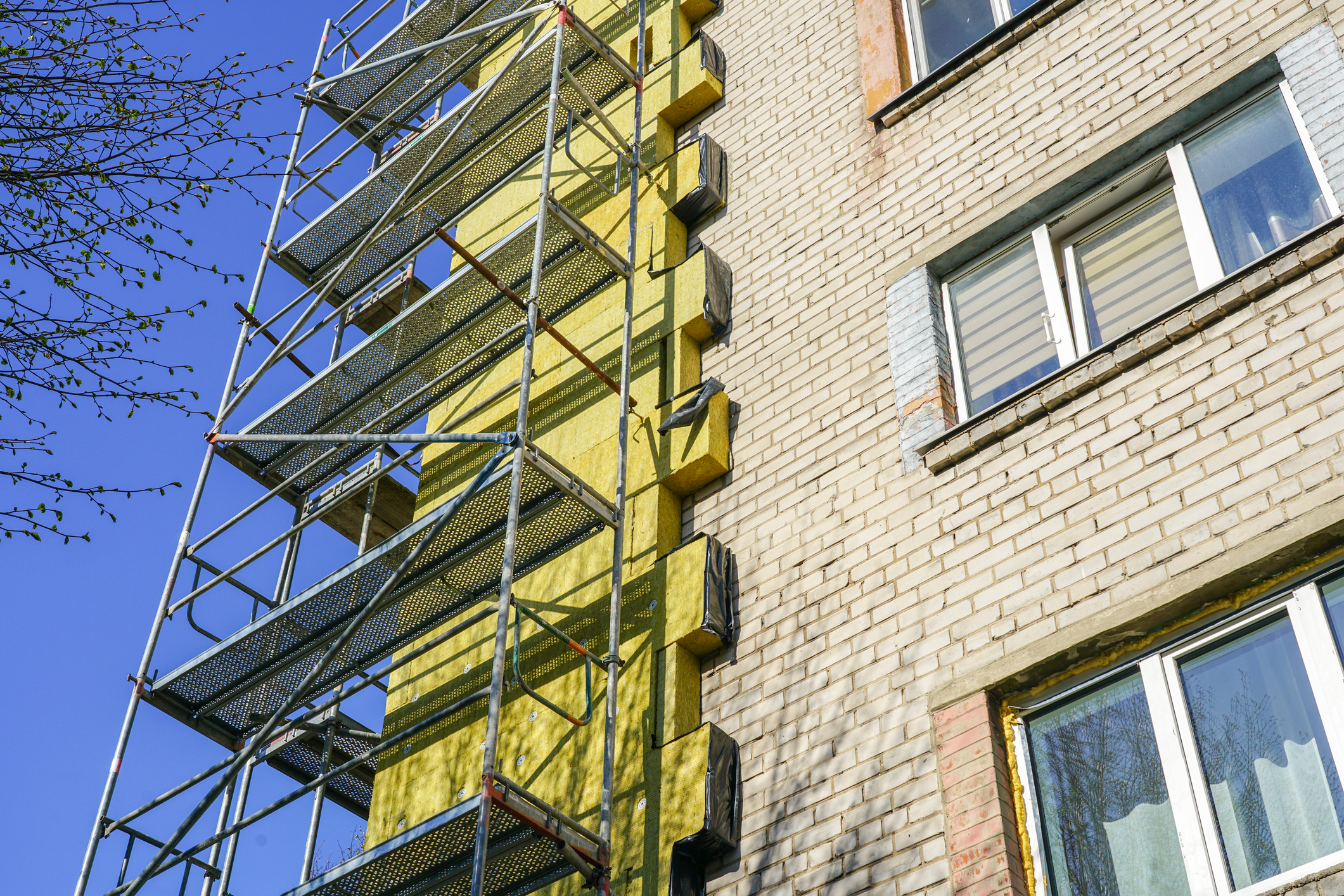
Ideal for residential retrofit projects, Armatherm™ 500 is made from a high-strength, thermoset polyurethane which when installed between structural connections can interrupt conductive heat paths, preventing thermal bridging. By placing these highly insulating blocks at these critical junctions, it helps improve thermal performance, increase interior comfort and lower energy consumption.
Managing Condensation and Moisture in Residential Retrofits
Armatherm™ 500 improves energy efficiency while its closed-cell structure limits water absorption, reducing the risk of condensation and moisture buildup—critical for long-term durability and indoor air quality in residential applications. It can also be custom cut and drilled to accommodate a wide range of retrofit conditions, making it ideal for homes or buildings with complex or non-standard construction details.
To learn more about how Armatherm™ 500 can support your residential retrofit project, contact the Armatherm™ team to discuss your application and performance goals.
Other Articles
& Projects
Improving Energy Efficiency in Residential Buildings Through Retrofitting
Solving Thermal Bridging in Masonry Shelf Angle Systems
Thermoset resin vs fiberglass: Which thermal break is best?
Meeting demand and expanding our global reach – fourth office opens in Canada
Partner With Armatherm for Targeted Thermal Bridging Solutions

Armatherm announces expansion with the opening of a third office
Armatherm Cast-In Situ Thermal Breaks
Are thermal breaks overlooked in residential construction?

Thermal Bridging and Its Effect on Air Quality Indoors