How Armatherm Supports Your Journey to LEED, WELL, and Passive House
Globally, the built environment is focused on delivering better buildings for a better future. Armatherm supports this goal by helping reduce thermal bridging in high efficiency buildings. Whether your project is targeting LEED compliance, WELL compliance, or Passive House certification, Armatherm thermal break solutions can support these performance objectives by improving envelope continuity, energy efficiency, and occupant comfort.
LEED Credits Supported by Thermal Break Solutions
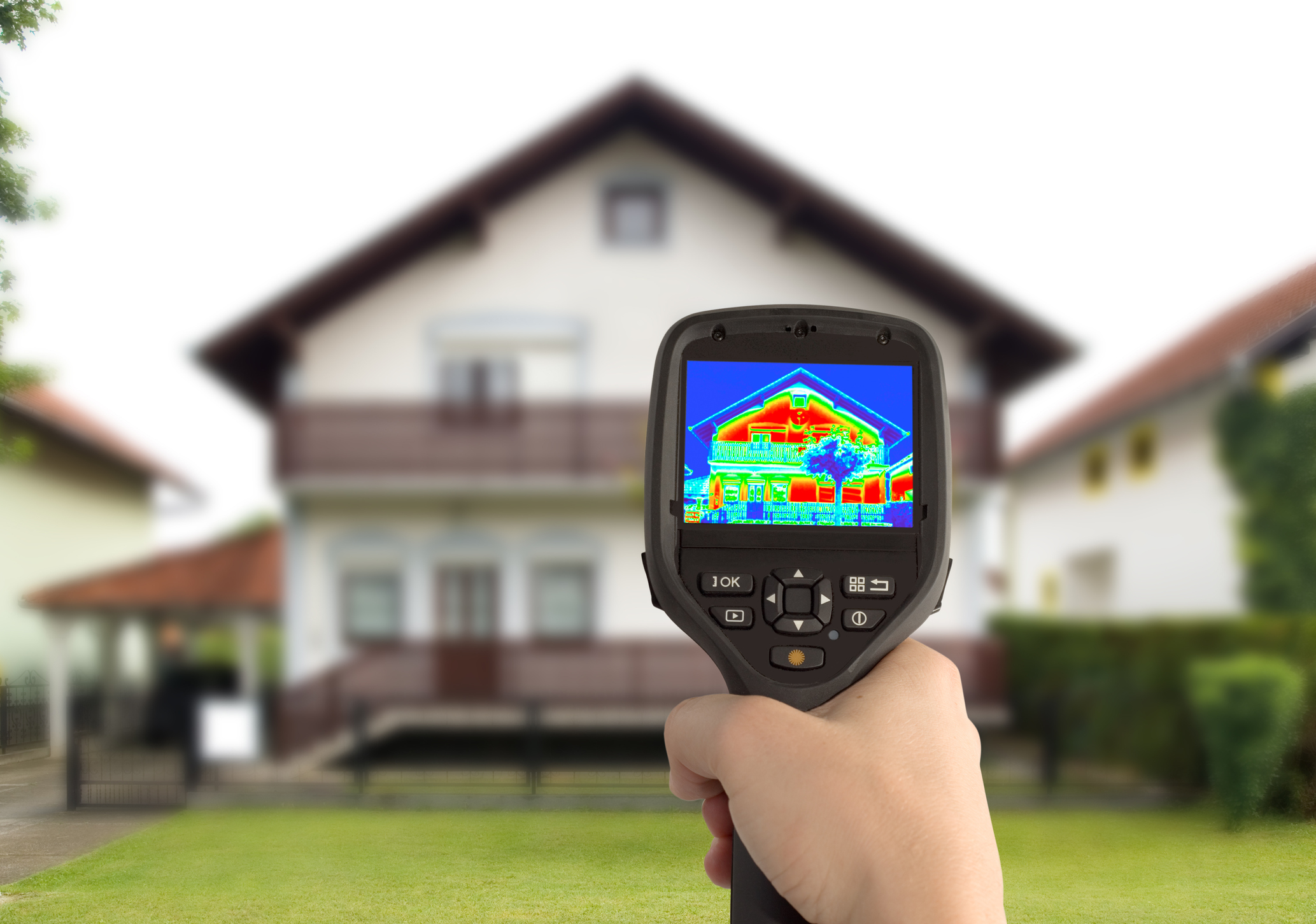
Structural thermal breaks improve building energy performance by reducing thermal bridging. They limit heat transfer through conductive elements such as walls, roofs, and window connections. In high efficiency buildings, thermal bridging commonly occurs at transition points including roof penetrations, brick shelves, and column bases.
By improving envelope continuity and reducing conductive heat loss, thermal break solutions support higher overall energy performance. This can contribute toward meeting the requirements of the Energy and Atmosphere credit category.
Innovation Credit: Innovation in Design
Advanced thermal break technologies can support innovative building envelope strategies that exceed standard performance requirements. When integrated as part of a high performance design approach, these solutions may contribute toward Innovation credits.
Projects that demonstrate measurable improvements in energy efficiency, comfort, or envelope performance through thermal break implementation may qualify for Innovation in Design recognition.
Passive House Thermal-Bridge-Free Design Support
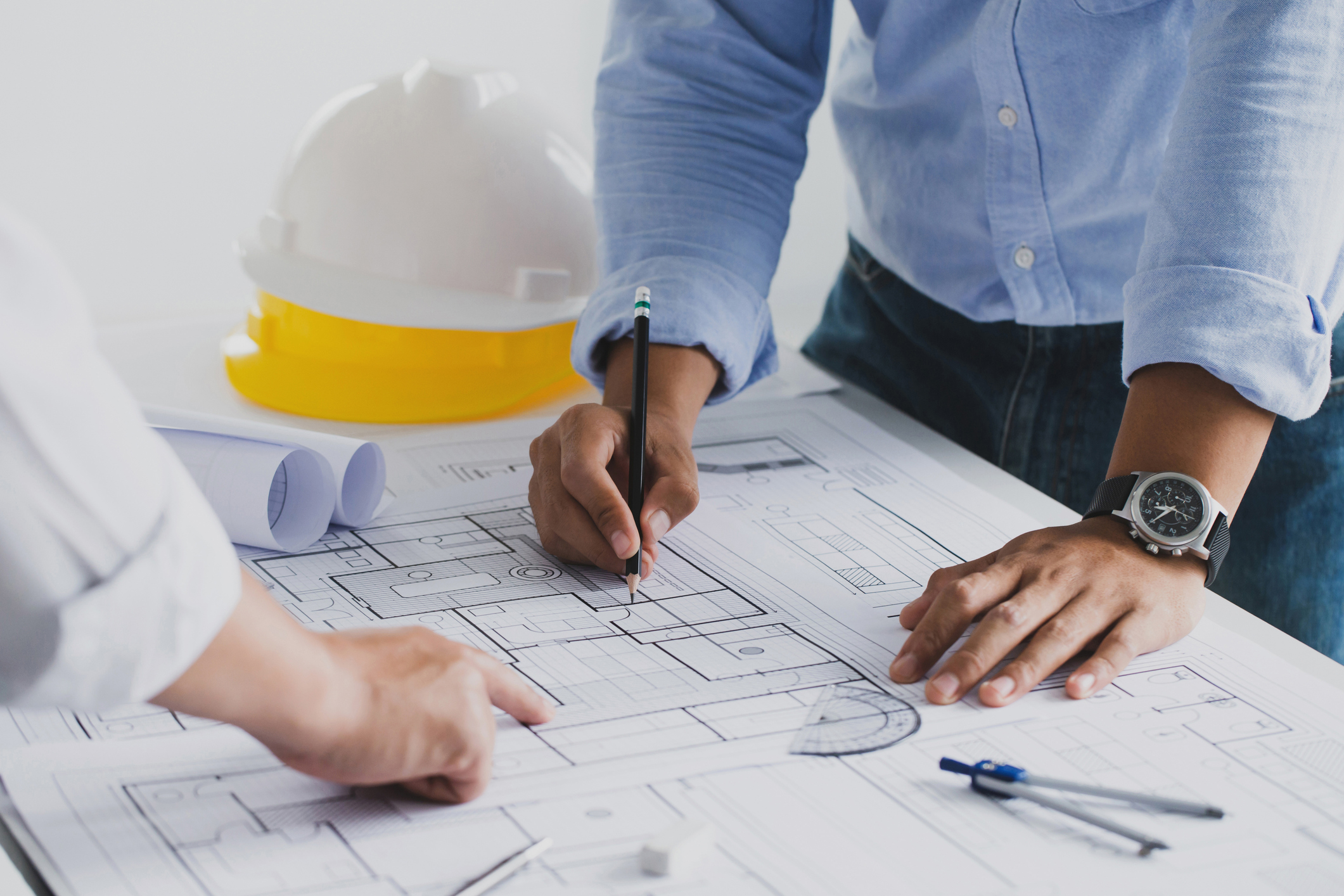
Passive House buildings require continuous insulation where the interior and exterior intersect. Structural thermal breaks play a critical role in achieving thermal-bridge-free detailing at structural connections.
Through careful design and the use of structural thermal breaks such as Armatherm solutions, projects can reduce cold spots, improve indoor air quality, and limit condensation that may lead to rot, corrosion, and mold growth. These strategies support Passive House certification requirements and long term building durability.
Advancing Building Performance Through Armatherm Innovation
Armatherm Thermal Bridging Solutions continues to develop new products and refine construction detailing to support safer, more durable, and more energy efficient buildings. These ongoing innovations help designers and builders meet higher performance standards while improving comfort, resilience, and long term building performance.