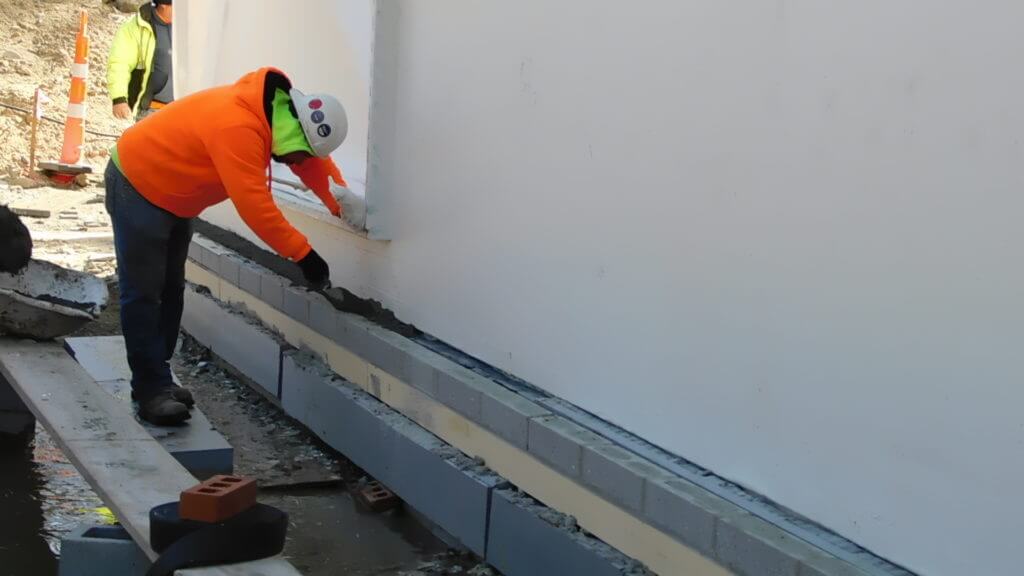

Verified Environmental Performance of Armatherm™ Thermal Break Materials
Armatherm™ FRR and 500 thermal break materials have received Environmental Product Declaration (EPD) certification from WAP Sustainability, confirming their environmental performance and sustainability. ArmaGirt also has EDP certification. This certification adds to Armatherm’s extensive list of industry accreditations and reinforces our commitment to sustainable building practices, energy-efficient construction, and environmentally responsible product design.
What is an Environmental Product Declaration?
An environmental product declaration is a third-party certified report that evaluates the environmental impacts of products through a comprehensive life cycle assessment (LCA), evaluating material composition, transportation, installation, carbon footprint and end-of-life disposal.
LEED & Sustainability Framework
Progress toward net-zero emissions depends on both sustainable building design and the selection of materials manufactured using environmentally responsible processes. Specifying products with verified low environmental impact — such as those supported by Environmental Product Declarations (EPDs) — can contribute to embodied carbon reduction strategies and support compliance with LEED and other green building certification programs.
The benefits of Environmental Product Declarations for thermal break materials?
The EPD accreditation boasts a number of benefits specifically for thermal break materials, but the main one is that it allows designers and specifiers to objectively compare different thermal break materials.
This also means that the process is easier and streamlined, with many choosing the eco-conscious alternative in order to support projects to meet the requirements of green building certification schemes such as LEED.
Which Armatherm™ products are covered by Environmental Product Declarations?
Armatherm™ FRR, 500, and ArmaGirt materials currently hold the EPD certification after the independent third party report declared they meet the requirements.
After undergoing extensive testing under the life cycle assessment, each step of the manufacturing process of these thermal break materials concluded as meeting the conditions.
Who uses Environmental Product Declaration data during a project?
Data collected for the EPD accreditation is used by varying persons throughout a project. Architects and façade designers use the data to compare products and specify materials with lower environmental impact.
Structural and building services engineers may reference EPDs when evaluating material choices that affect overall performance and compliance. Contractors and procurement teams use it to meet tender, client, or public-sector requirements for environmental transparency.
Developers and building owners use EPD information to verify compliance with standards and rating systems such as LEED.
FAQs
Why choose Armatherm™ thermal breaks with EPD documentation?
As an industry we’re collectively responsible for making more eco-conscious decisions and choosing Armatherm™ FRR and 500 materials which have the EPD certification means projects are also supporting sustainability goals..
Do Armatherm™ EPDs support green building certifications?
Yes, the EPDs earned by Armatherm™ FRR and 500 materials join ArmaGirt to support architects, developers and specifiers in verifying that the project meets the green requirements of rating systems like LEED, BREEAM and DGNB.
How are Environmental Product Declarations created and verified?
Environmental Product Declarations (EPDs) are created through a structured, standardized process based on life cycle assessment (LCA) principles. The report then examines the product based on material composition, transportation, installation, carbon footprint and end-of-life disposal. Before the results are then announced, the review is independently verified by an accredited third-party verifier or program operator, who checks the data quality, assumptions, calculations and compliance with the applicable standards.
Other Articles
& Projects
The Cove: ArmaGirt Thermal Breaks Support Pursuit of LEED Points
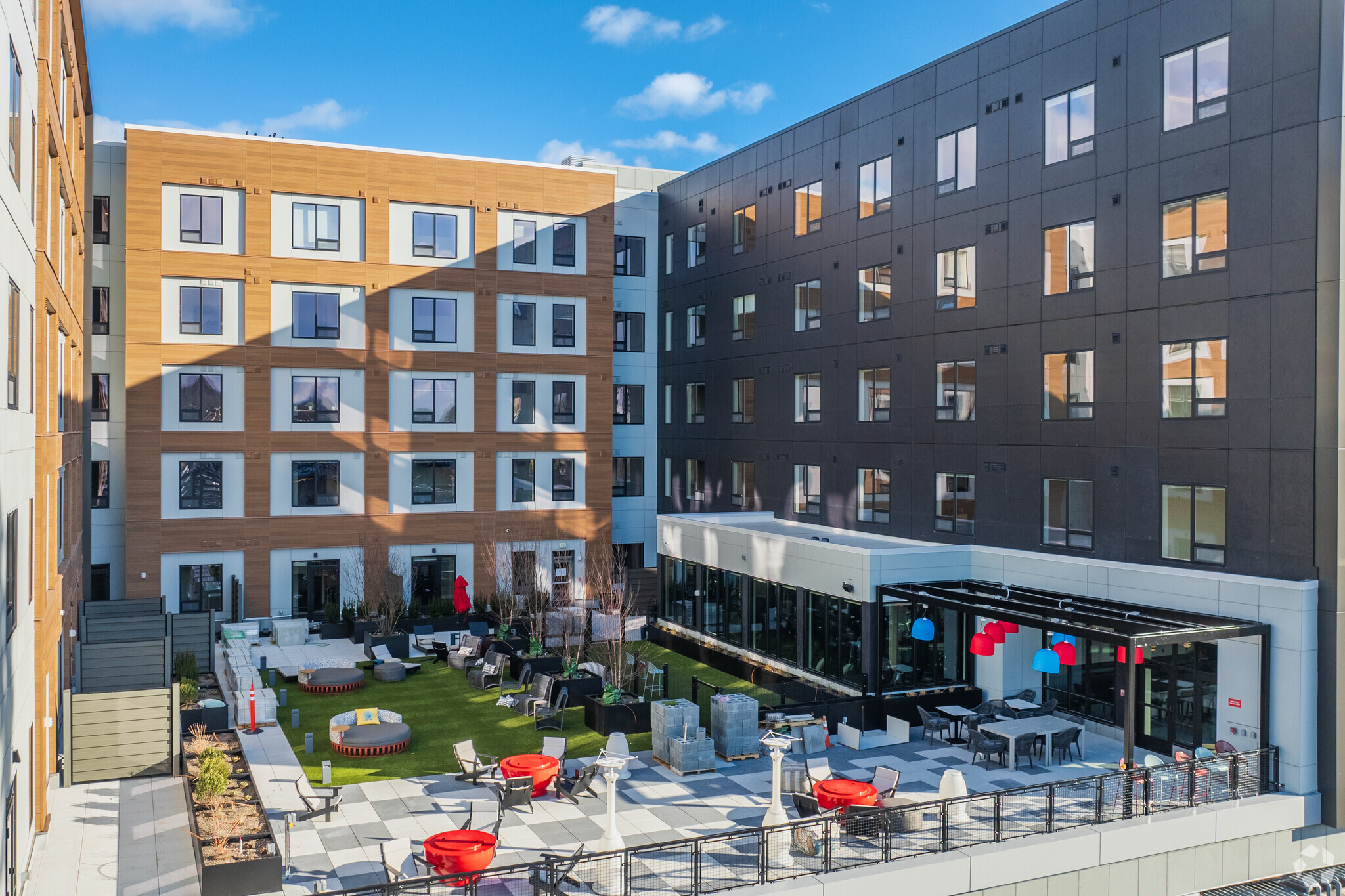
Thermal Break Solutions in Brick Shelf Angle Support Systems
Thermal Breaking in Cladding and Modern Construction: Key to Energy Efficiency and Cost Savings
Sustainable Living Innovations – 303 Battery, Seattle WA
Insulation Solution for ALDI’s £25M Facility
University of Illinois- Townsend Hall
Armatherm thermal breaks supplied for the expansion project of Hampden Academy in Northern Maine-Case Study

Armatherm Structural Thermal Breaks used to create sustainable, luxury apartments in New York
Enhancing Energy Efficiency: Framingham State University’s Sustainable Ballroom Expansion with Armatherm