
How Armatherm Supports Your Journey to LEED, WELL, and Passive House
Globally, the built environment is focused on delivering better buildings for a better future. Armatherm supports this goal by helping reduce thermal bridging in high efficiency buildings. Whether your project is targeting LEED compliance, WELL compliance, or Passive House certification, Armatherm thermal break solutions support these performance objectives by improving envelope continuity, energy efficiency, and occupant comfort.
LEED Credits Supported by Thermal Break Solutions
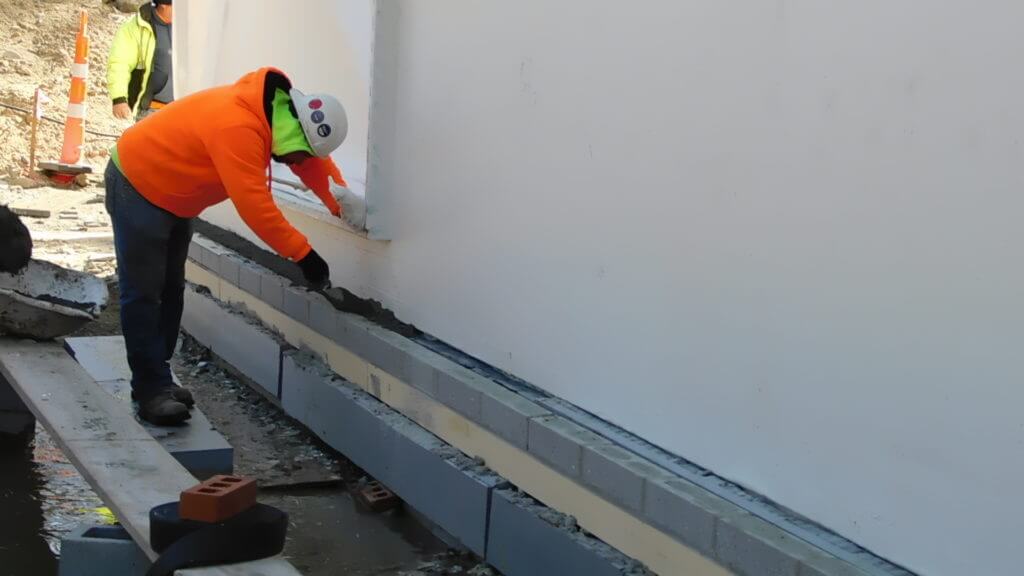
Structural thermal breaks improve building energy performance by reducing thermal bridging. They limit heat transfer through conductive elements such as walls, roofs, and window connections. In high efficiency buildings, thermal bridging commonly occurs at transition points including roof penetrations, brick shelves, and column bases.
By improving envelope continuity and reducing conductive heat loss, thermal break solutions support higher overall energy performance. This can contribute toward meeting the requirements of the Energy and Atmosphere credit category.
Materials and Resources Credit: Building Life-Cycle Impact Reduction
Thermal breaks used within building components such as windows, doors, and structural connections help improve long term energy efficiency. Improved thermal performance reduces operational energy demand over the life of the building.
By lowering energy consumption and supporting durable envelope design, thermal break solutions can contribute to reduced environmental impact across the building life cycle, supporting Materials and Resources credit goals.
Innovation Credit: Innovation in Design
Advanced thermal break technologies can support innovative building envelope strategies that exceed standard performance requirements. When integrated as part of a high performance design approach, these solutions may contribute toward Innovation credits.
Projects that demonstrate measurable improvements in energy efficiency, comfort, or envelope performance through thermal break implementation may qualify for Innovation in Design recognition.
WELL Credits Supported by Structural Thermal Breaks
Structural thermal breaks help reduce unwanted heat transfer through the building envelope in both hot and cold climates. By limiting heat loss and heat gain, these solutions support more stable interior temperatures and improved occupant comfort.
Reducing thermal bridging before occupancy helps mitigate cold surfaces, drafts, and thermal discomfort, supporting WELL thermal performance objectives from the earliest stages of building operation.
Understanding Passive House Certifications and Where Thermal Breaks Fit
Passive House is a performance based building standard focused on ultra low energy use, airtight construction, and thermal comfort. Certification applies to buildings, professionals, and individual building components.
Passive House certification is governed by two primary organizations.
The Passive House Institute operates internationally, while Phius focuses on climate specific standards for North America.
Both systems place strong emphasis on thermal bridge free design. Structural thermal breaks are therefore a critical consideration when detailing structural connections within the building envelope.
Passive House Building and Project Certifications
Building level certifications confirm that projects meet strict limits for energy demand, airtightness, and thermal performance.
These include new buildings certified as Passive House Classic, Plus, or Premium, based on efficiency and renewable energy contribution. Existing buildings undergoing deep energy renovation may achieve EnerPHit certification through the Passive House Institute or Phius REVIVE under Phius. Some projects may also qualify as Low Energy Buildings when performance is very high but does not fully meet Passive House thresholds.
Across all certification types, thermal bridging at structural connections presents a significant risk. Structural thermal breaks help maintain continuous insulation at balconies, façades, roof connections, and column bases, supporting compliance with Passive House performance limits.
Passive House Professional Certifications
Passive House professional certifications demonstrate expertise in the design, construction, and verification of high performance buildings.
These include Certified Passive House Designers for architects and engineers, Phius Certified Consultants for climate specific modelling, Certified Passive House Tradespersons focused on airtightness and insulation execution, and Phius Certified Builders delivering certified projects. Certified Raters, Verifiers, and Certifiers provide on site testing, quality assurance, and final certification review.
These professionals rely on predictable, repeatable construction details. Structural thermal break solutions support this process by simplifying thermal modelling and reducing uncertainty at structural penetrations.
Passive House Component Certification and Structural Thermal Breaks
Passive House also recognises certified components such as windows, ventilation systems, and insulation products. These certifications help designers accurately calculate energy balances and verify envelope performance.
Structural thermal breaks are typically assessed as part of the overall building assembly rather than as standalone certified components. Their thermal conductivity, mechanical strength, and durability directly influence thermal bridge calculations and overall compliance outcomes.
By reducing linear thermal transmittance at structural connections, thermal break solutions support Passive House targets for energy efficiency, surface temperature control, and condensation risk reduction.
Working With Experts to Achieve High Performance Building Goals
Successful high performance building design requires collaboration with experienced professionals. Thermal modellers, building envelope consultants, and certification specialists help ensure performance targets are met.
Working with LEED Accredited Professionals, WELL Accredited Professionals, and Passive House consultants provides confidence that projects align with certification requirements and best practice design strategies.
Advancing Building Performance Through Armatherm Innovation
Armatherm Thermal Bridging Solutions continues to develop new products and refine construction detailing to support safer, more durable, and more energy efficient buildings.
These ongoing innovations help designers and builders meet higher performance standards while improving comfort, resilience, and long term building performance.
FAQs
Do thermal break solutions help achieve LEED, WELL, or Passive House certification?
Thermal break solutions help reduce thermal bridging and improve envelope performance. While they do not guarantee certification, they can support design strategies aligned with LEED, WELL, and Passive House performance requirements.
Are structural thermal breaks required for Passive House buildings?
Passive House projects require thermal bridge free detailing at structural connections. Structural thermal breaks are commonly used to reduce heat loss, surface temperature risk, and condensation at these junctions, supporting Passive House design targets.
Can thermal breaks contribute to occupant comfort as well as energy efficiency?
Yes. By limiting heat transfer through the building envelope, thermal breaks help maintain more stable interior surface temperatures. This supports improved thermal comfort, reduced drafts, and better overall building performance.
Other Articles
& Projects
The Cove: ArmaGirt Thermal Breaks Support Pursuit of LEED Points
Thermal Break Solutions in Brick Shelf Angle Support Systems
Thermal Breaking in Cladding and Modern Construction: Key to Energy Efficiency and Cost Savings
Sustainable Living Innovations – 303 Battery, Seattle WA
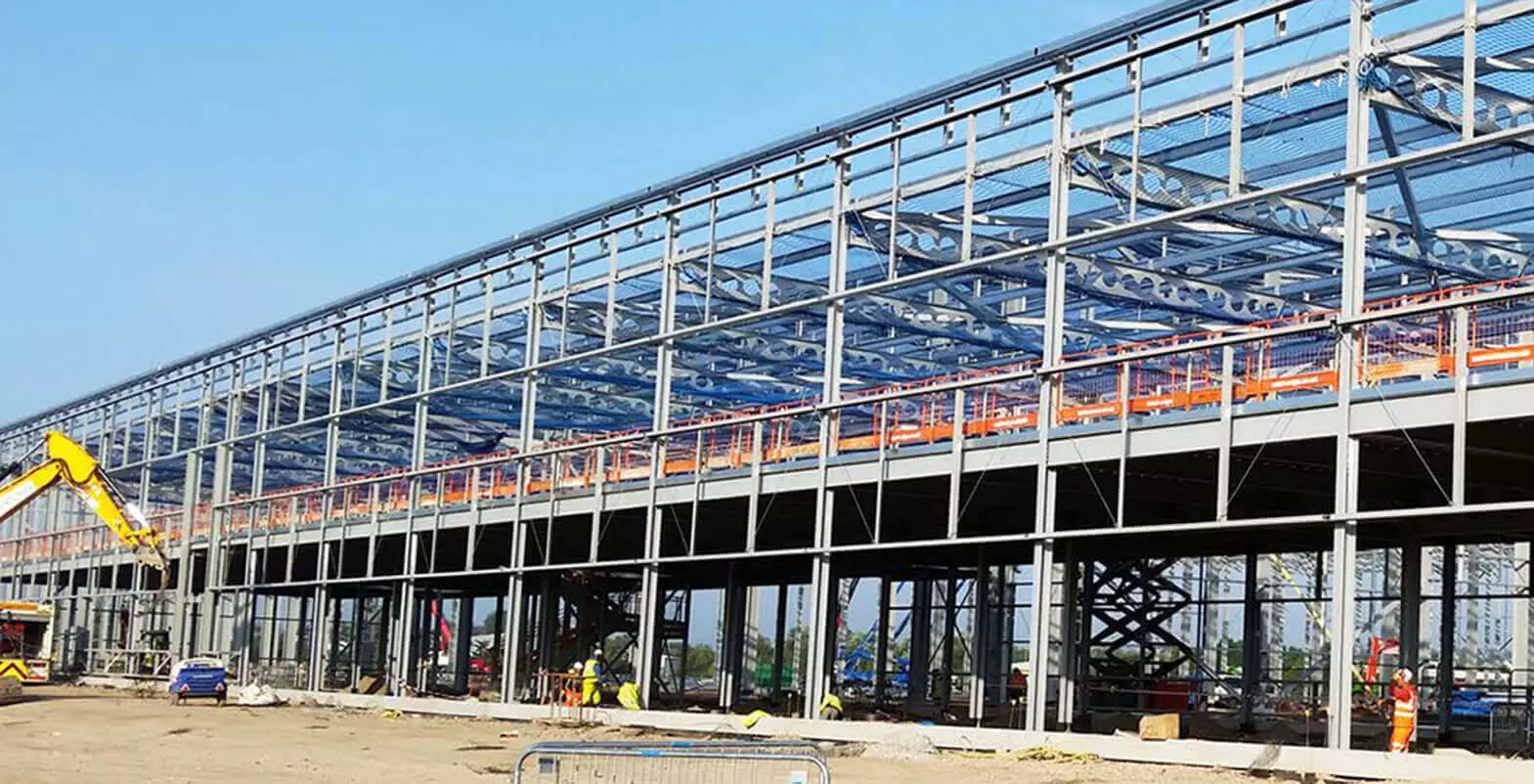
Insulation Solution for ALDI’s £25M Facility
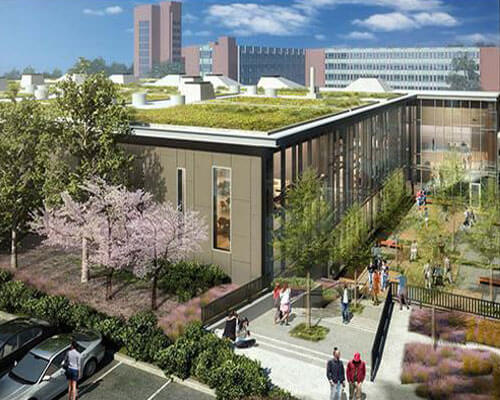
University of Illinois- Townsend Hall
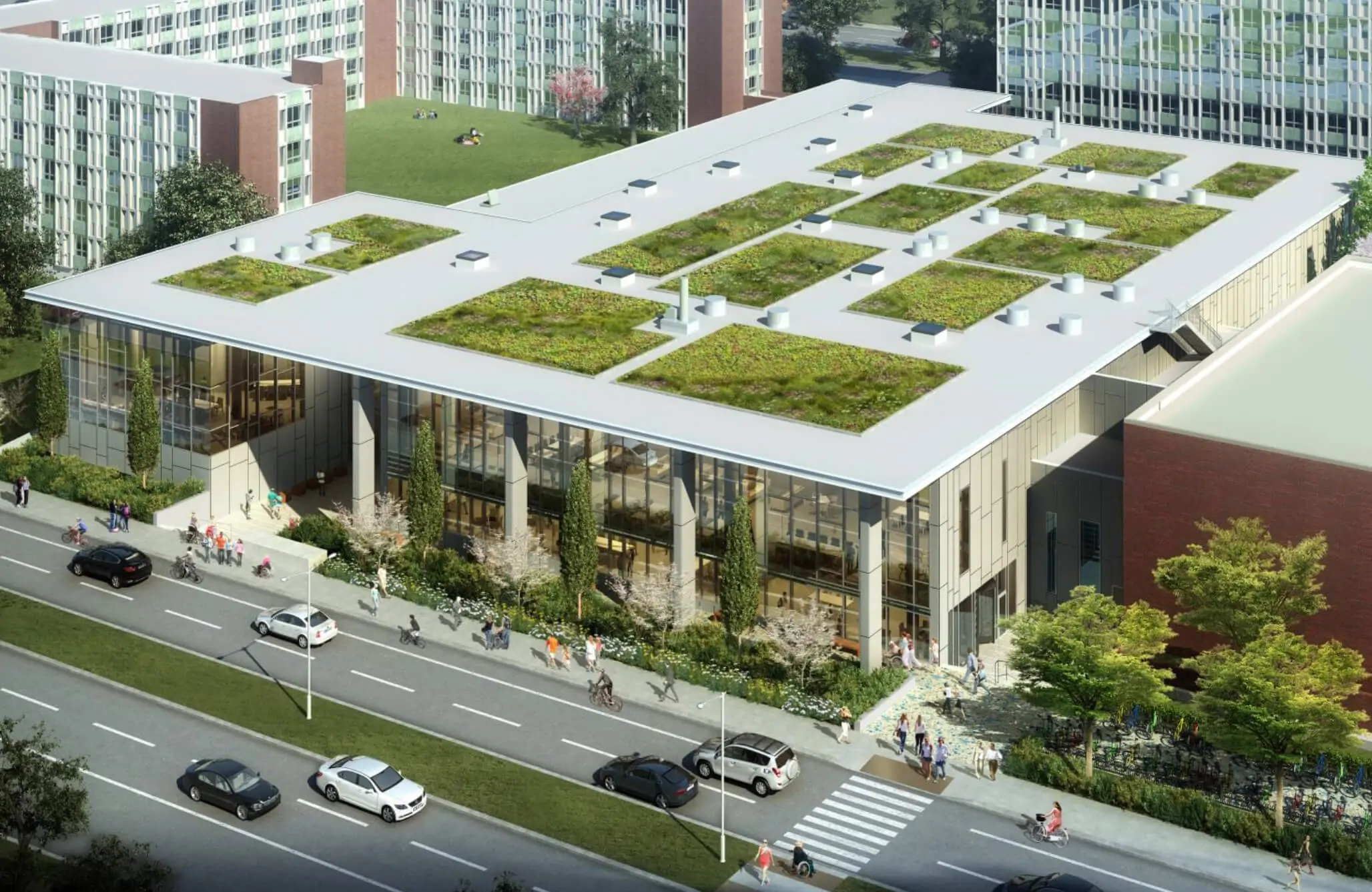
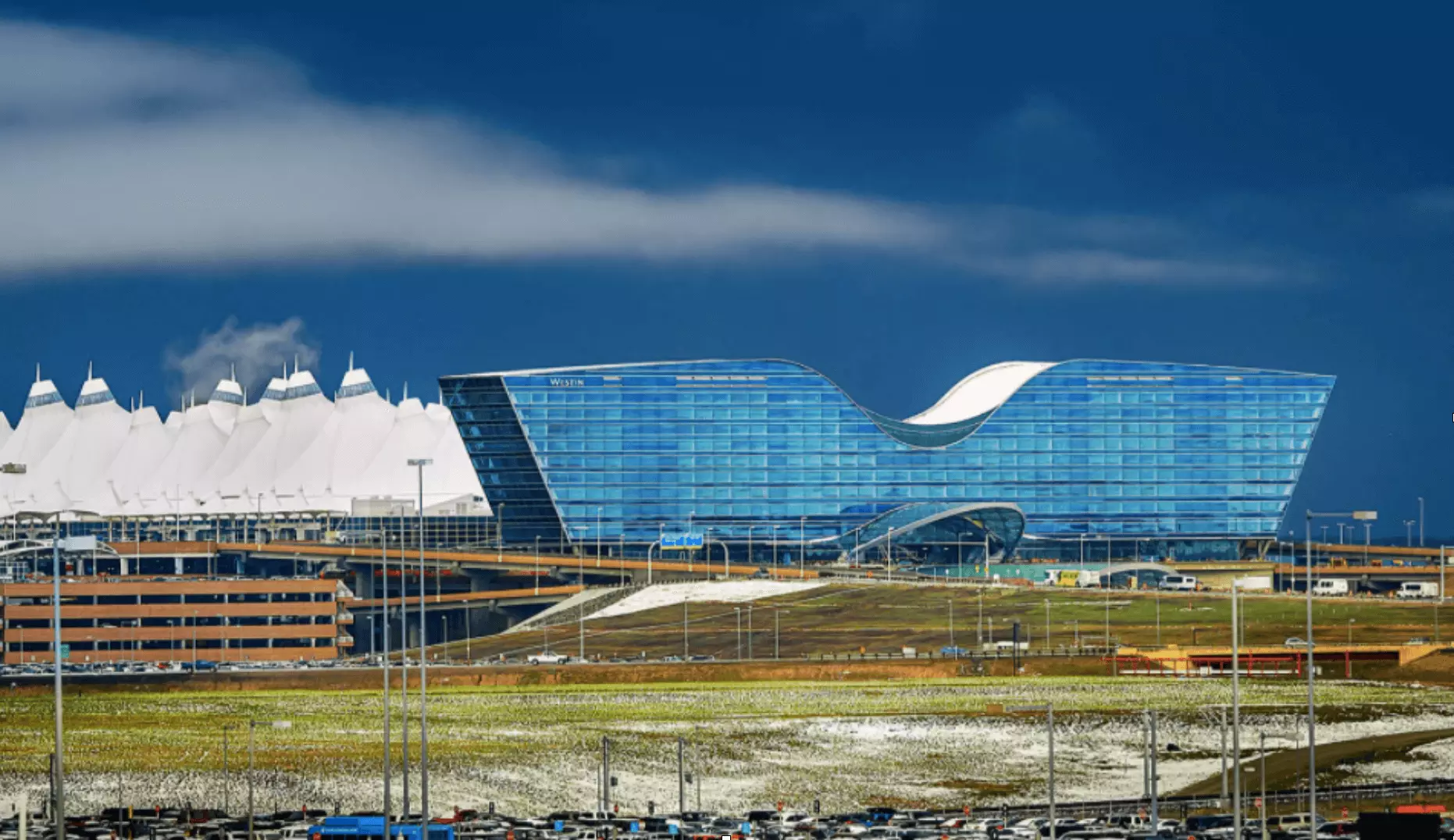
Armatherm thermal breaks supplied for the expansion project of Hampden Academy in Northern Maine-Case Study

Armatherm Structural Thermal Breaks used to create sustainable, luxury apartments in New York
Enhancing Energy Efficiency: Framingham State University’s Sustainable Ballroom Expansion with Armatherm