Chasing LEED at 139 Fifth Avenue
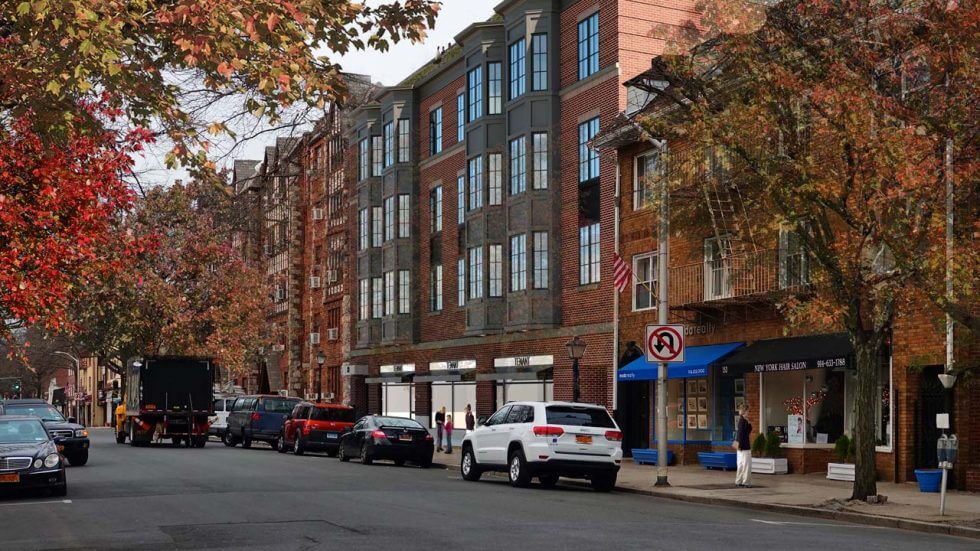
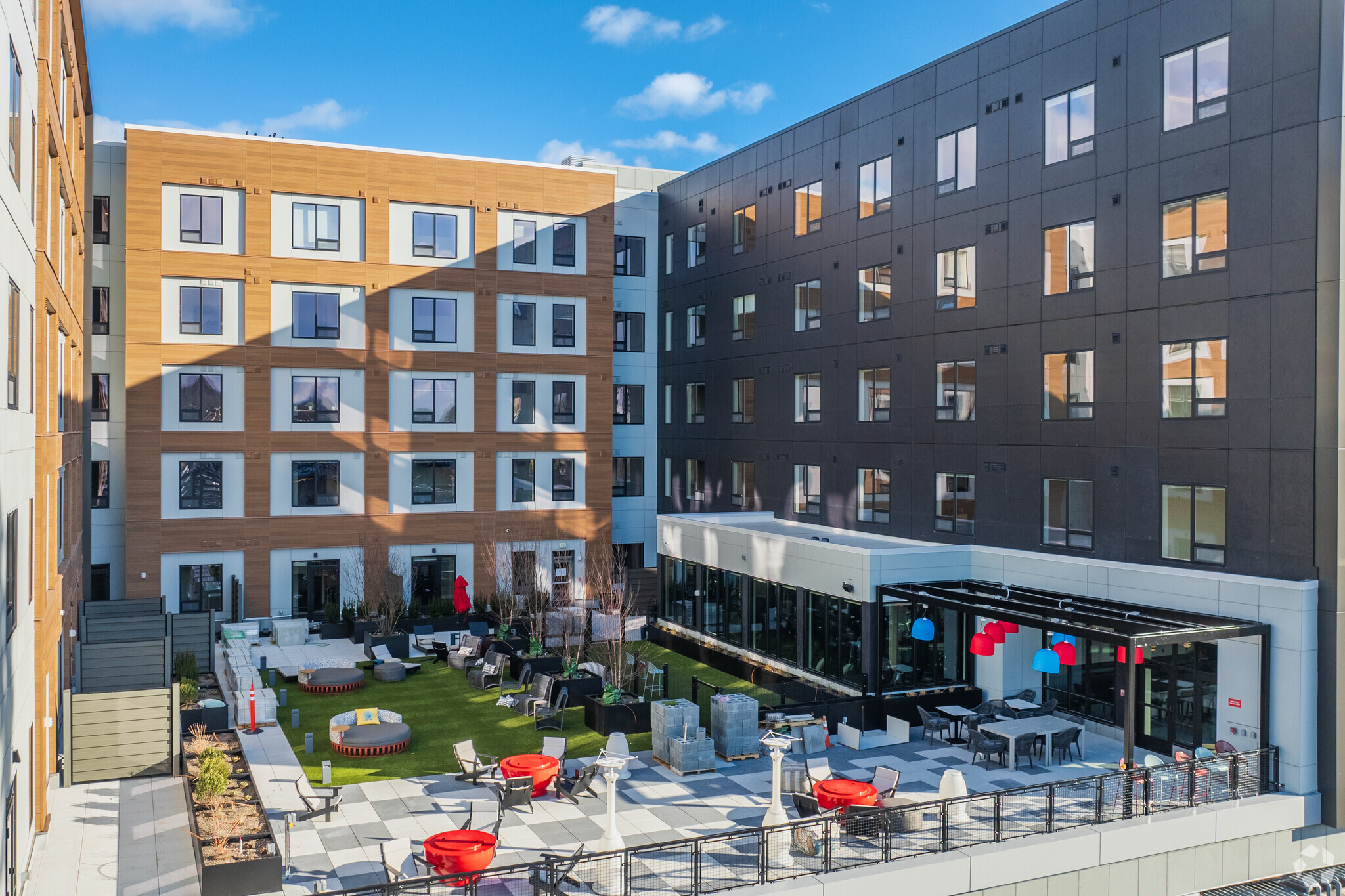
A newly constructed apartment block in New York showcases cutting-edge, energy-efficient solutions as part of a broader push toward high-performance, sustainable design. In the pursuit of Net Zero and beyond, architects are consistently exploring innovative construction methods that reduce environmental impact while enhancing occupant comfort.
The apartments at 139 Fifth Avenue feature high-performance insulation, energy-efficient windows, and advanced climate control systems designed for optimal temperature regulation. Thermal breaks have also been incorporated throughout the building envelope to minimize thermal bridging and limit unwanted heat transfer between the interior and exterior environments.
As part of this sustainability-driven approach, the project is currently in the works for LEED certification, reflecting a commitment to responsible material selection, energy efficiency, and long-term environmental performance. Chasing LEED is not just a benchmark for this development, but a guiding principle shaping its design and construction strategy.
Why Armatherm Products Were Chosen for the Project
JMJ Contracting led the project, selecting the most advanced materials to reduce energy loss, including Armatherm’s FRR for brick shelf attachments and Z-girts for cladding attachments on the building’s facade. These materials significantly enhance the efficiency of the building envelope, bringing it closer to the Net Zero target.
How Armatherm FRR and Z-Girts Improve Building Performance
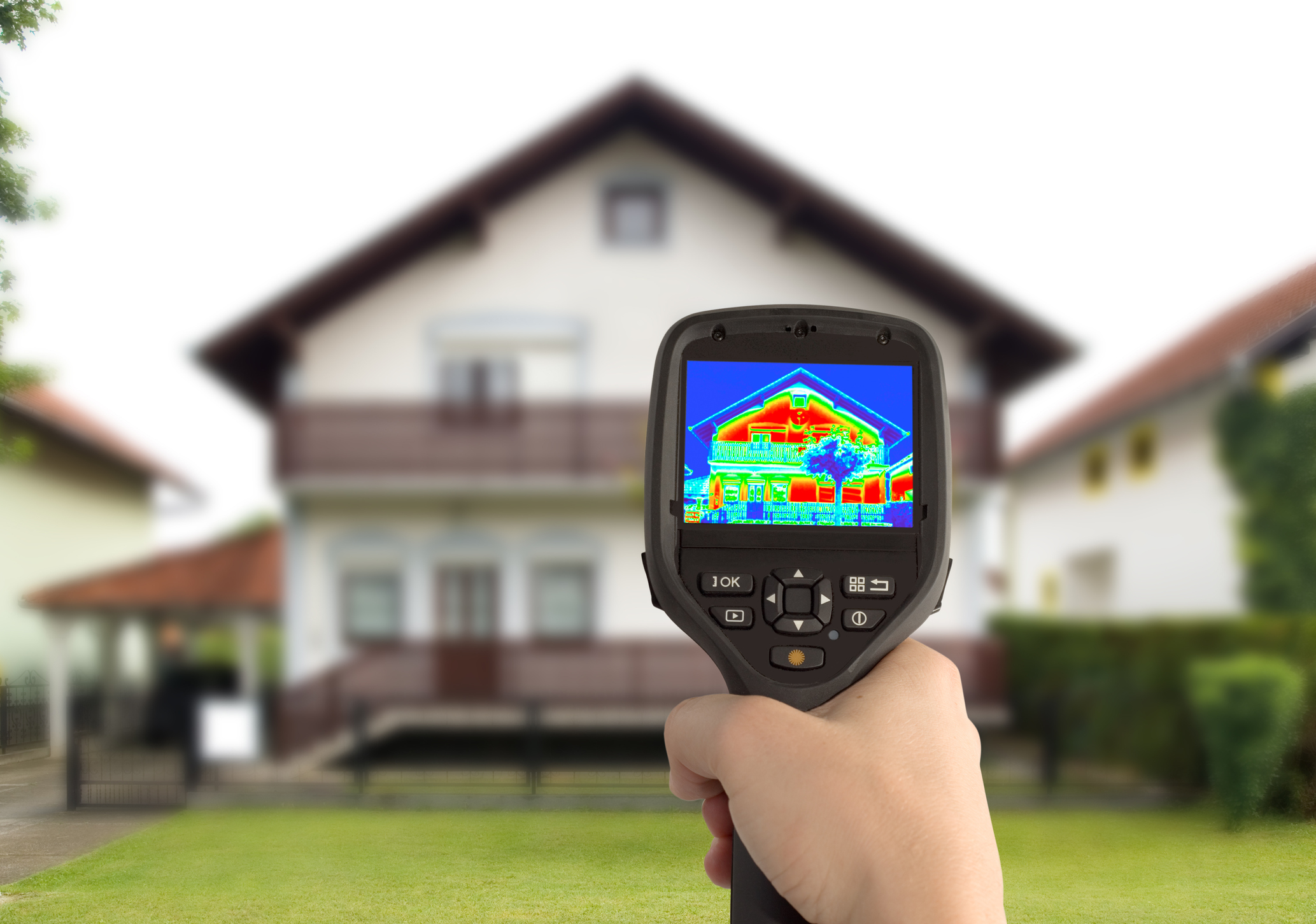
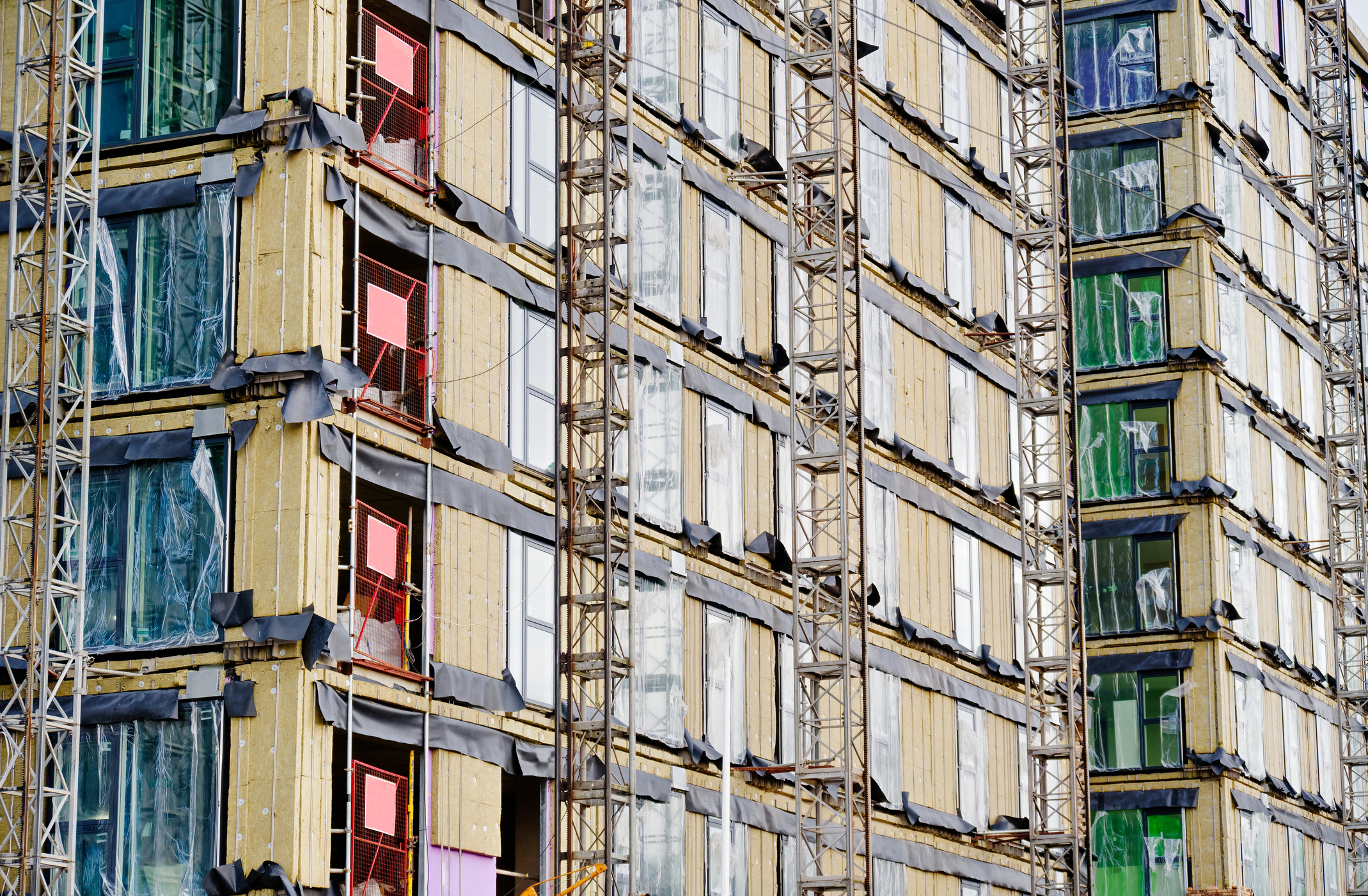
Brick shelf attachments can create a direct thermal bridge from the external environment to the building’s interior, potentially causing condensation and higher energy bills. Using a thermal bridge mitigates this issue by ensuring continuous temperature isolation. The same principle applies to cladding attachments, where metal brackets typically conduct heat. Armatherm’s non-metallic Z-girts are ideal for insulating exterior walls on new or existing masonry or steel stud backings. These Z-girts were developed to minimise heat loss in the building envelope and increase the overall R-value of the wall assembly.
Solar Power and All-Electric Living at 139 Fifth Avenue
In addition to these thermal isolation materials, this is the first apartment building in Pelham to feature solar panels. With each new project, further steps are taken to create highly efficient structures. The building is entirely powered by electricity, eliminating the need for oil or gas, thus enabling the use of responsibly sourced, renewable energy for tenant power needs.
Other Articles
& Projects
The Cove: ArmaGirt Thermal Breaks Support Pursuit of LEED Points
Thermal Break Solutions in Brick Shelf Angle Support Systems
Thermal Breaking in Cladding and Modern Construction: Key to Energy Efficiency and Cost Savings
Sustainable Living Innovations – 303 Battery, Seattle WA
Insulation Solution for ALDI’s £25M Facility
University of Illinois- Townsend Hall
Armatherm thermal breaks supplied for the expansion project of Hampden Academy in Northern Maine-Case Study

Armatherm Structural Thermal Breaks used to create sustainable, luxury apartments in New York
Enhancing Energy Efficiency: Framingham State University’s Sustainable Ballroom Expansion with Armatherm