
grid
SCROLL

Why States Are Updating Building Energy Codes

Many states have recently updated their building energy code standards. Building codes set minimum requirements for energy efficient design and construction for new and renovated buildings. The energy codes are a response to concerns about air pollution, energy security, and rising cost of energy of all types.

How Energy Codes Help Cut Costs and Emissions

Because buildings are responsible for a large percentage of U.S. energy consumption and the associated carbon footprint, energy efficient building codes can have an important positive impact. Architects and developers are learning that designing and constructing efficient buildings are not only good for the environment – but also good for significantly reducing costs.

What New Energy Codes Aim to Achieve

The purpose of these new energy codes is to moderate and reduce energy usage and emissions throughout the lifetime of a building. With the life expectancy of a commercial building being between 50 and100 years or more, these new codes play a pivotal role in ensuring the longevity of building practices. New building materials and methods are being developed and introduced to the market every year that inch us toward net-zero carbon emissions.

Reducing the amount of energy used in buildings will greatly reduce global carbon emissions. A reduction in carbon emissions will contribute to reducing air pollutants and mitigate the harmful effects of climate change.

Energy Code Requirements Vary by Location

The new energy codes have been implemented by state officials, who have set targets to reduce energy consumption. Energy codes vary from state to state, county to county and even town to town. Builders must pay close attention to their local requirements, especially in North America, where energy codes are becoming increasingly stringent. This trend will only increase over time.

Innovation and collaboration are required to come up with long term solutions to our energy and environmental challenges. In order for buildings to comply with the correct energy building code standards, new methods, equipment and systems must be implemented.

Why Addressing Thermal Bridging Matters

Addressing thermal bridging is an effective way to reduce the energy consumed by a building, reducing heat loss and therefore improving overall building envelope performance. Implementing thermal bridging mitigation is an important strategy to conserve energy, and create safe, comfortable, efficient spaces where people want to live, work and play.

How Thermal Breaks Improve Energy Efficiency

Thermal breaks improve energy efficiency by minimizing the transfer of heat between the interior and exterior of a building wherever there is a temperature difference. In traditional construction, thermal bridging occurs when materials with high thermal conductivity, such as metal studs or concrete elements, create pathways for heat to move easily across the building envelope. This can lead to increased heat loss or gain, resulting in higher energy consumption.

There are many strategies and products available to address areas of thermal heat loss. Armatherm can provide guidance to select the correct structural thermal break products and applications for your building.

Incorporating thermal breaks between exterior and interior elements, which are made from materials with low thermal conductivity, is one way to reduce the direct pathway for heat transfer. By addressing thermal bridging, buildings can have lower energy consumption and therefore, lower bills.

Contact Armatherm to Improve Building Efficiency

To find out more about how Armatherm can help to increase the energy efficiency of your building in line with new building energy code standards, get in touch with our team today.

grid

Other Articles
& Projects

Armatherm Projects

The Cove: ArmaGirt Thermal Breaks Support Pursuit of LEED Points
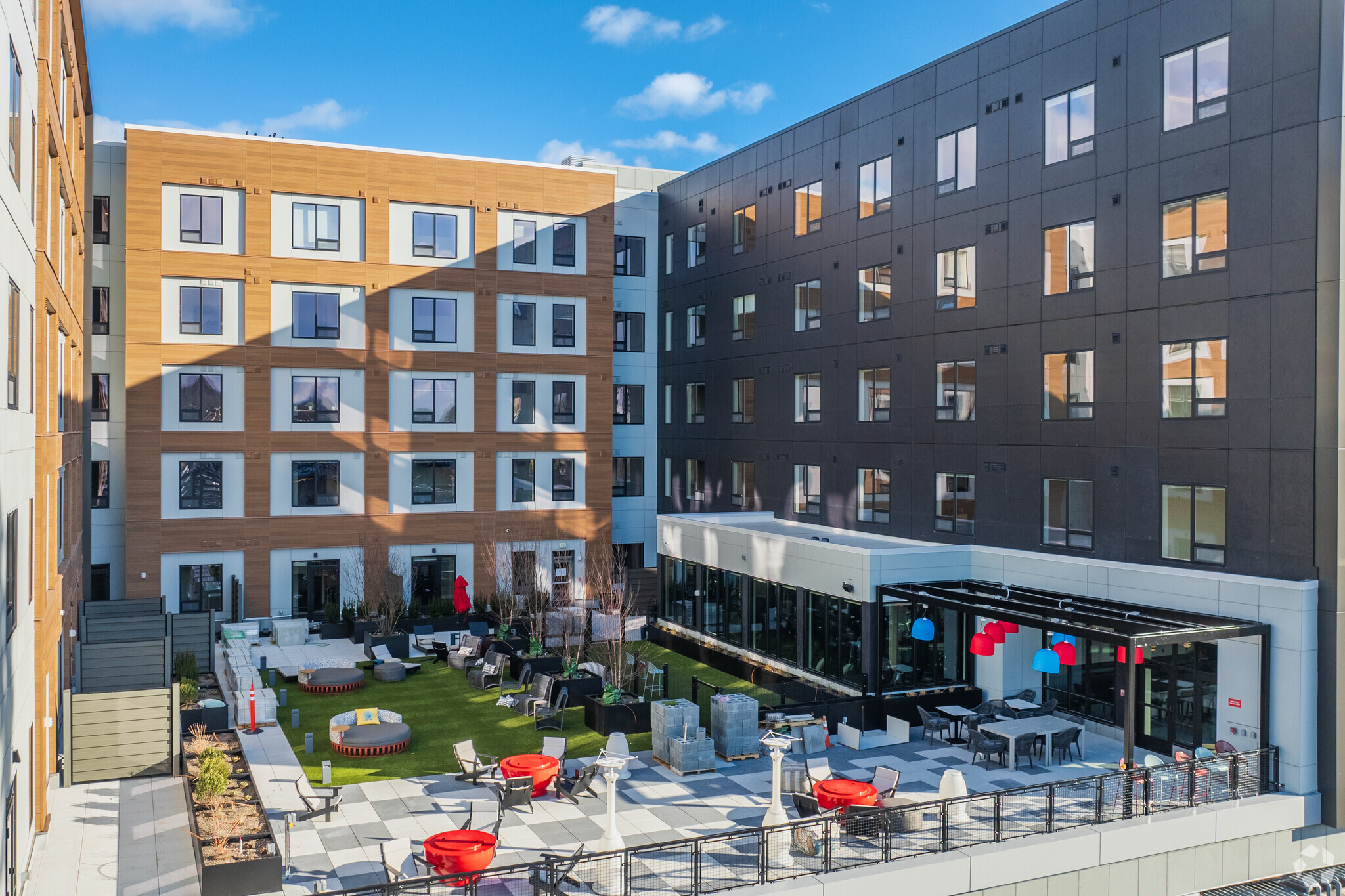
Courtyard of The Cove in Worcester, MA, with outdoor seating, artificial grass, and colourful light fixtures.
Armatherm Projects

Thermal Break Solutions in Brick Shelf Angle Support Systems
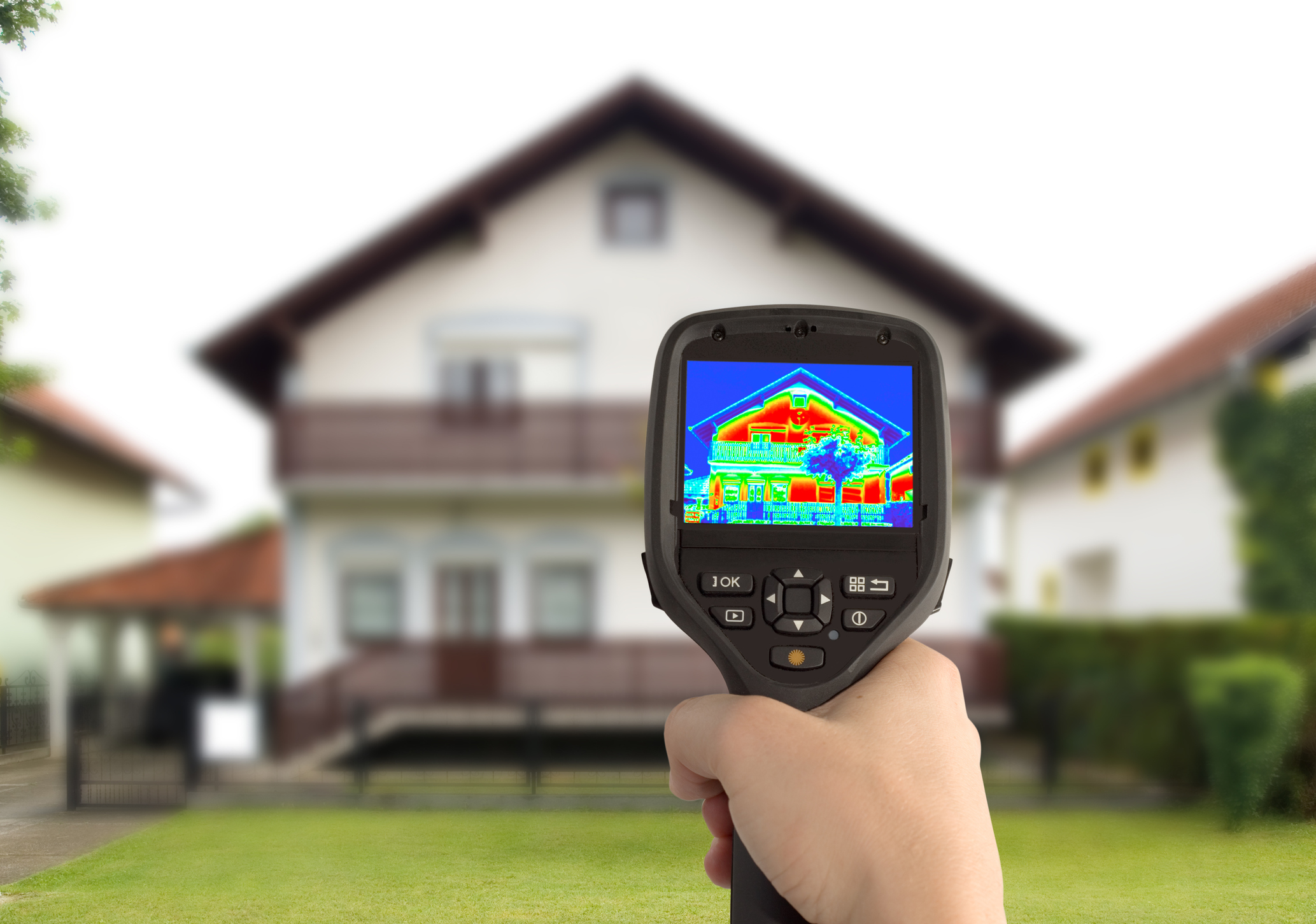
Person holding a thermal imaging camera aimed at a house, with heat loss areas displayed in red and yellow.
Armatherm Projects

Thermal Breaking in Cladding and Modern Construction: Key to Energy Efficiency and Cost Savings
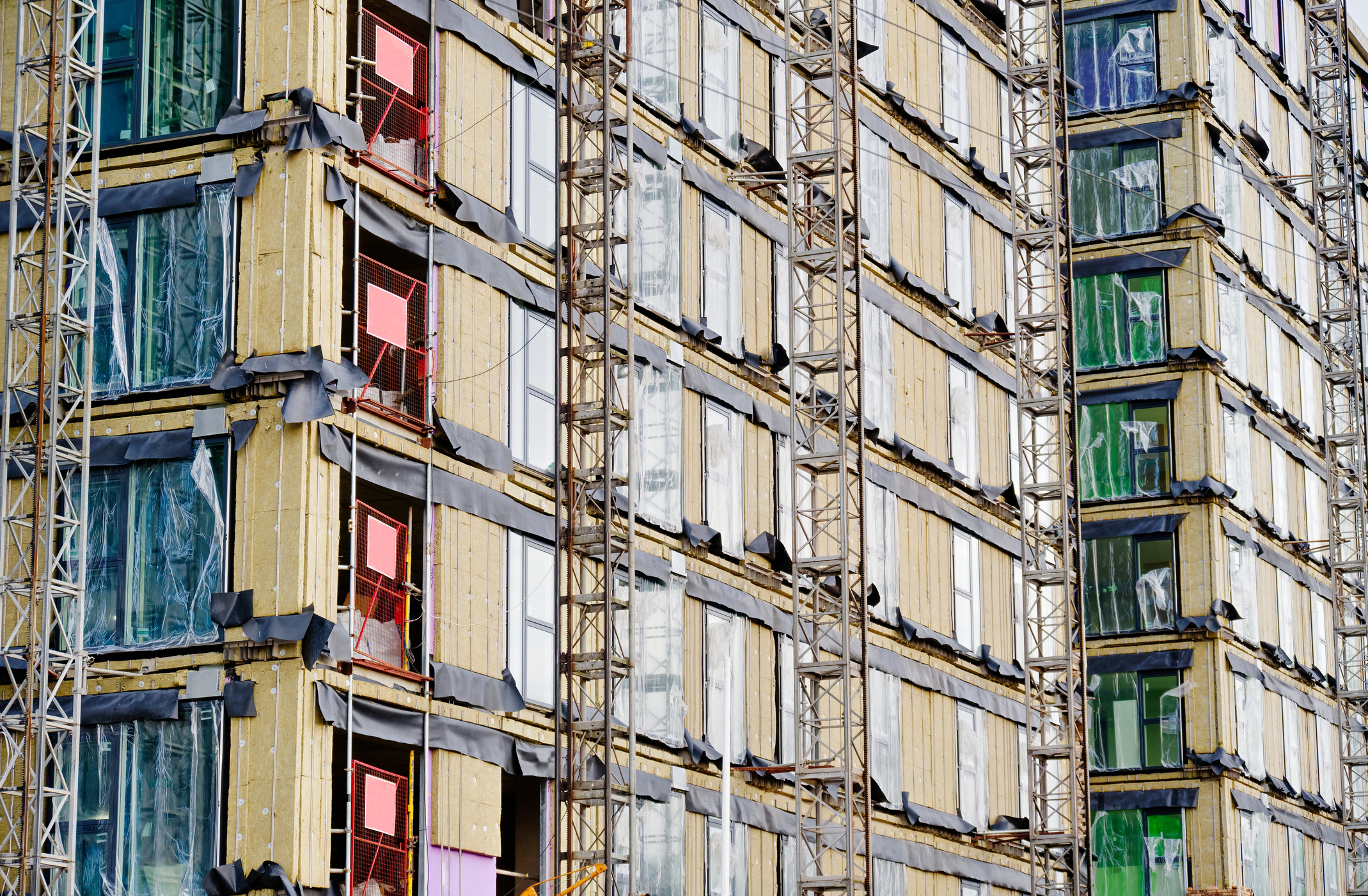
High rise residential building of flats with cladding being replaced with fire resistant materials UK
Armatherm Projects

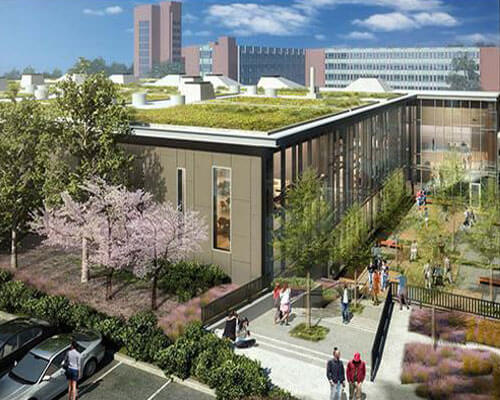
Sustainable Living Innovations – 303 Battery, Seattle WA
Armatherm Projects

Insulation Solution for ALDI’s £25M Facility
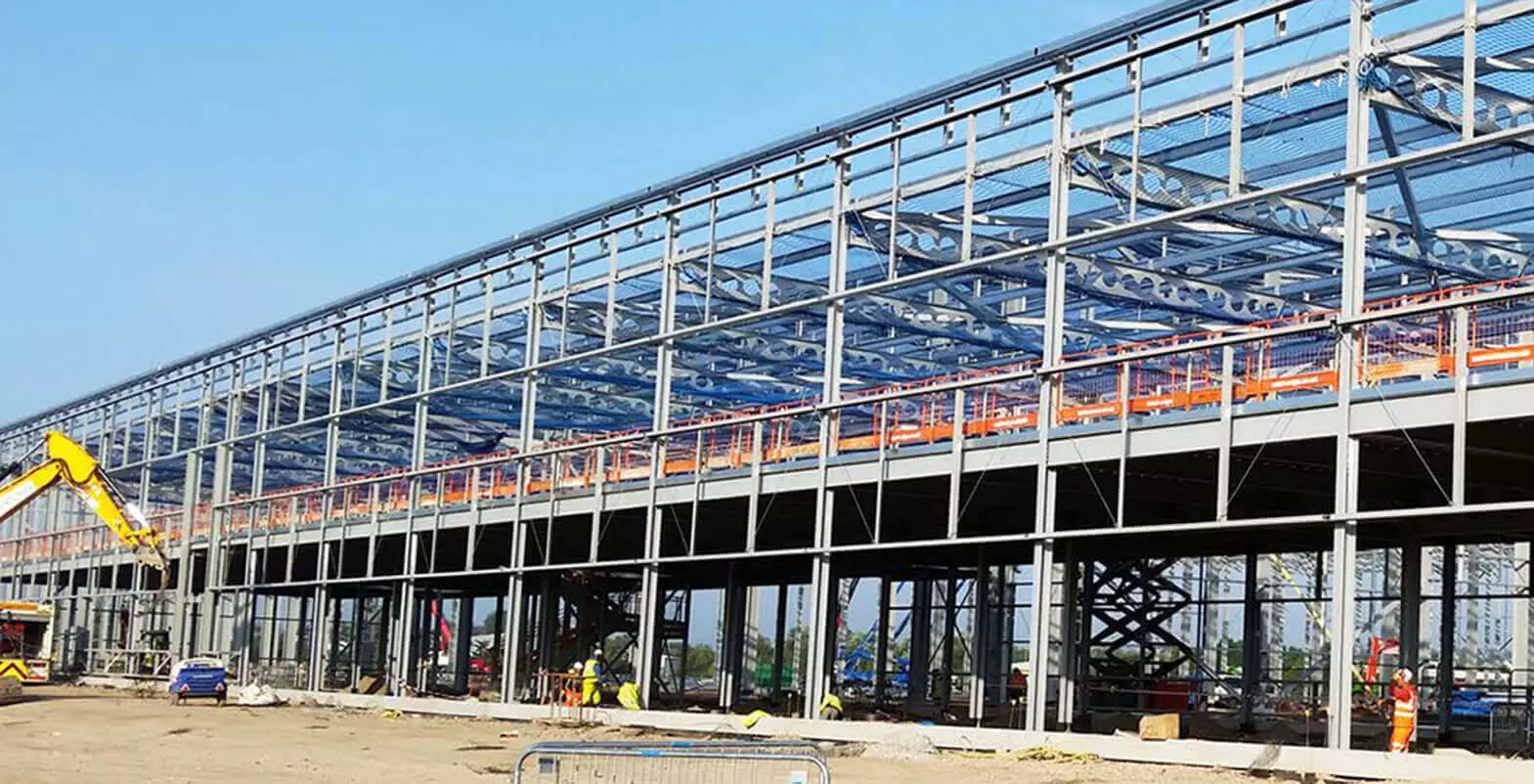
Aldi supermarket exterior with Armatherm thermal solutions
Armatherm Projects

University of Illinois- Townsend Hall
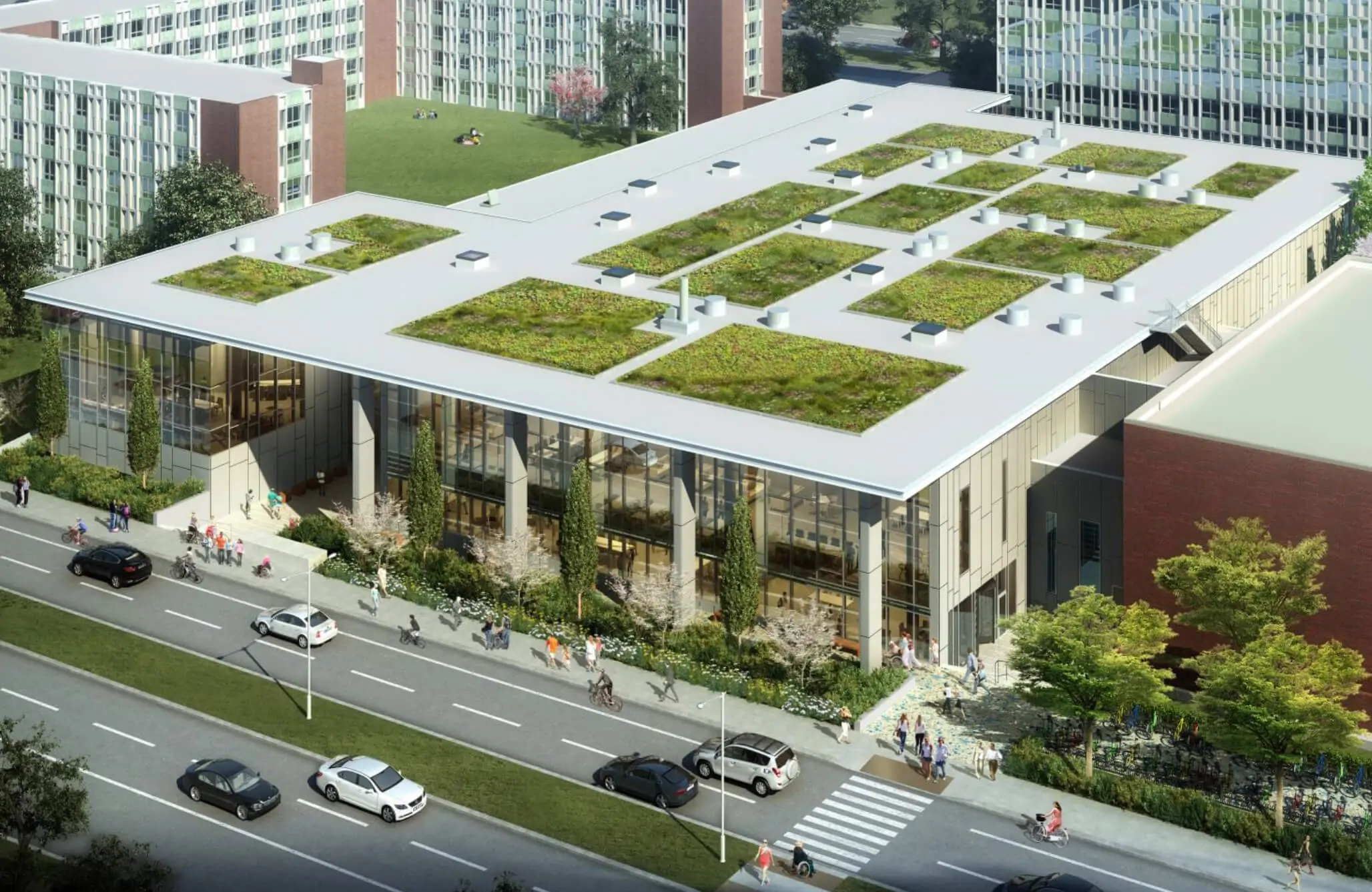
University of Illinois Townsend Hall project showcasing thermal bridging solutions
Armatherm Projects

Denver International Airport

Armatherm Projects

Armatherm thermal breaks supplied for the expansion project of Hampden Academy in Northern Maine-Case Study

Large structural assembly featuring Armatherm material at the Hampden Academy
Armatherm Projects

Armatherm Structural Thermal Breaks used to create sustainable, luxury apartments in New York
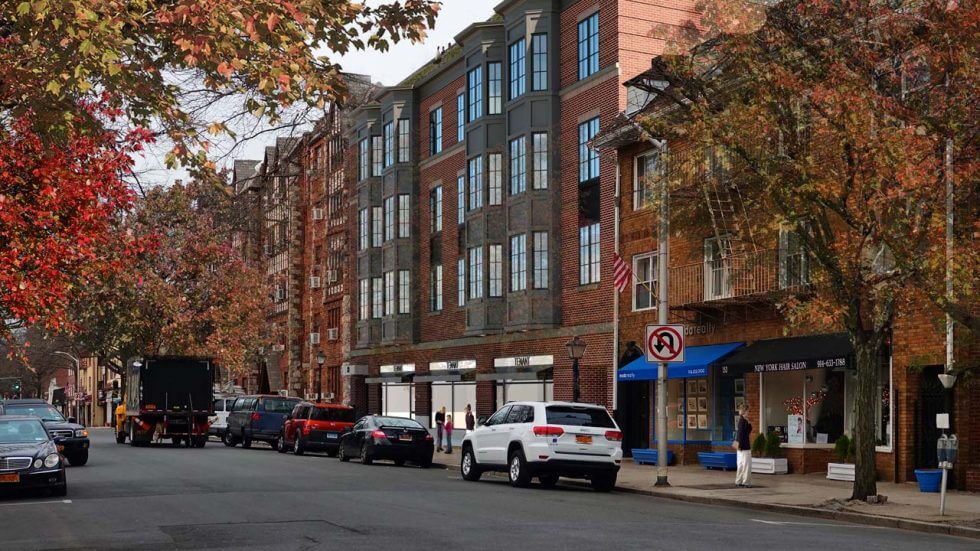
139 Fifth Avenue, Pelham, NY facade view
Armatherm Projects

Enhancing Energy Efficiency: Framingham State University’s Sustainable Ballroom Expansion with Armatherm
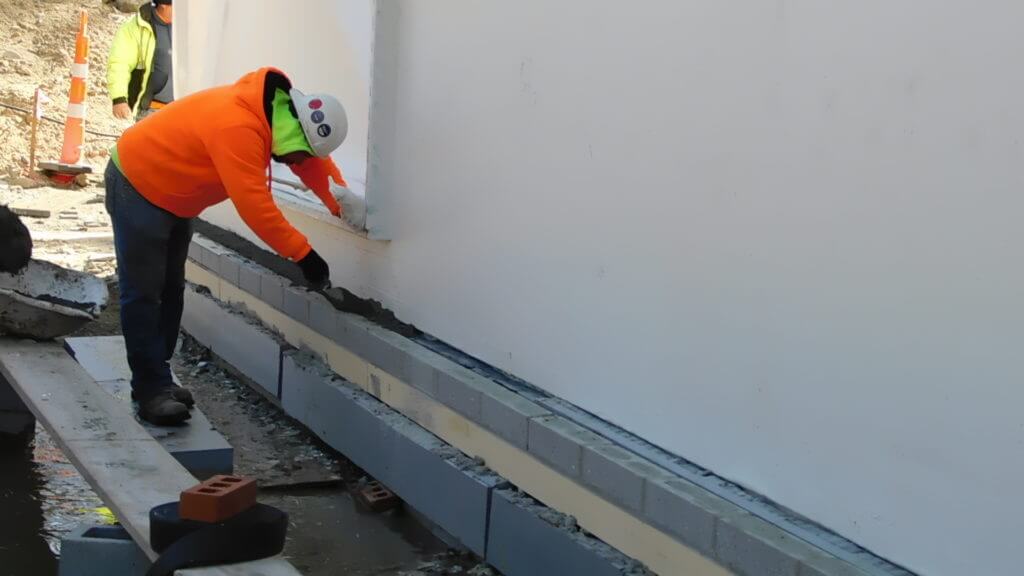
A worker cementing an area in a thermal break construction site.

Get in touch

Ready to talk about structural thermal breaks?

armatherm
Request a quote