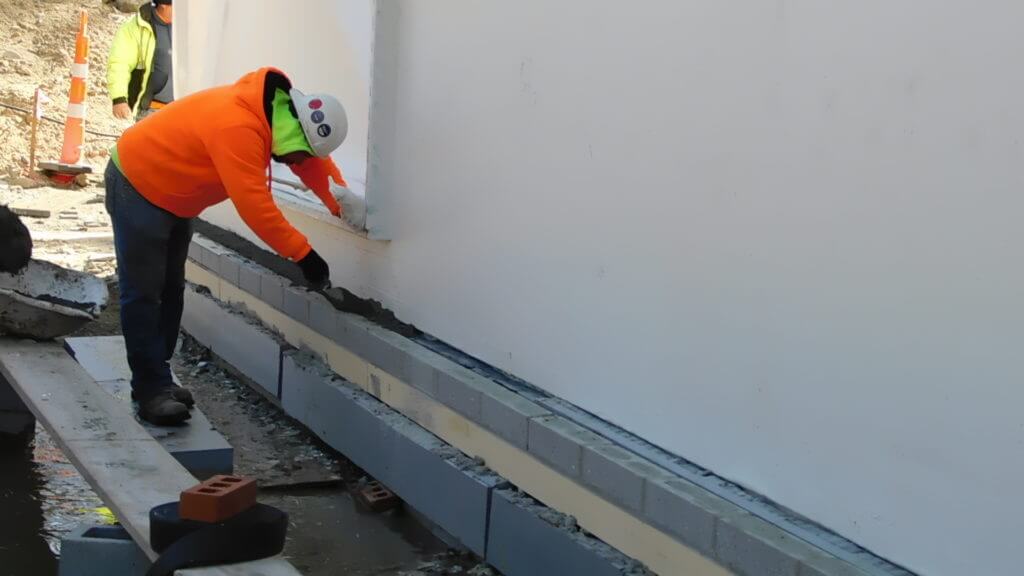

What Is a Masonry Shelf Angle and Why Is It Important?
In the construction of multi-storey buildings, a fundamental detail that must be installed to protect the longevity of the structure is the masonry shelf angle. These steel supports take the weight of the brick or masonry veneer, transferring the load back to the structural steel or concrete framework through bolt connections. Without these in place, the masonry would be unsupported and at risk of cracking or buckling under its own weight.
How Masonry Shelf Angles Cause Thermal Bridging
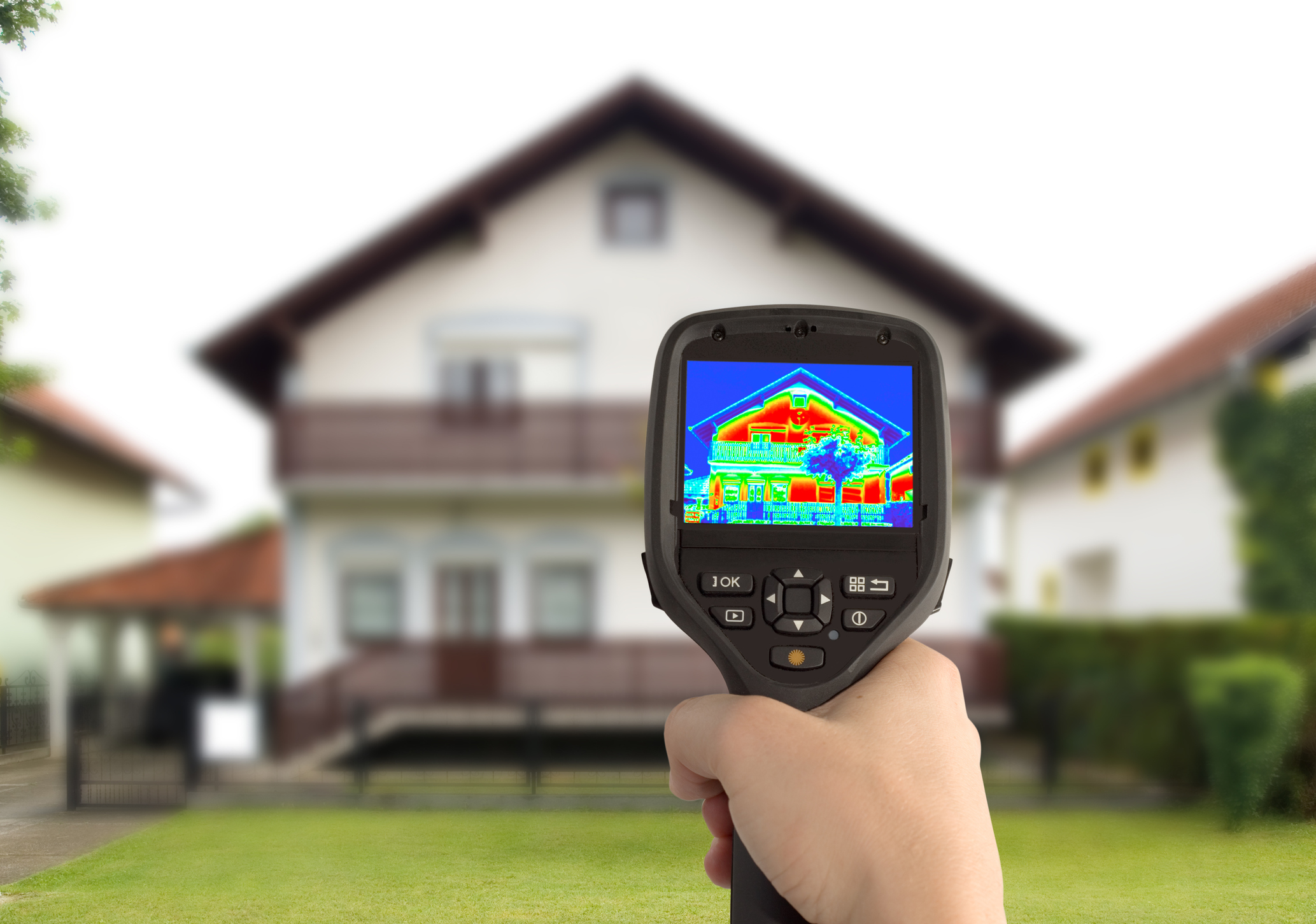
While these shelf angles are critical to the overall structure of the building, they also present a major challenge to energy efficiency due to being a significant cause of thermal bridging. Steel is a highly conductive material, so any direct steel-to-steel or steel-to-masonry connection can be a notable thermal bridge. It is vital that thermal breaks are installed in these applications to reduce the risk of overconsumption of energy, condensation issues, and to help futureproof the building.
Why Armatherm™ FRR Is the Ideal Thermal Break for Masonry Shelf Angles
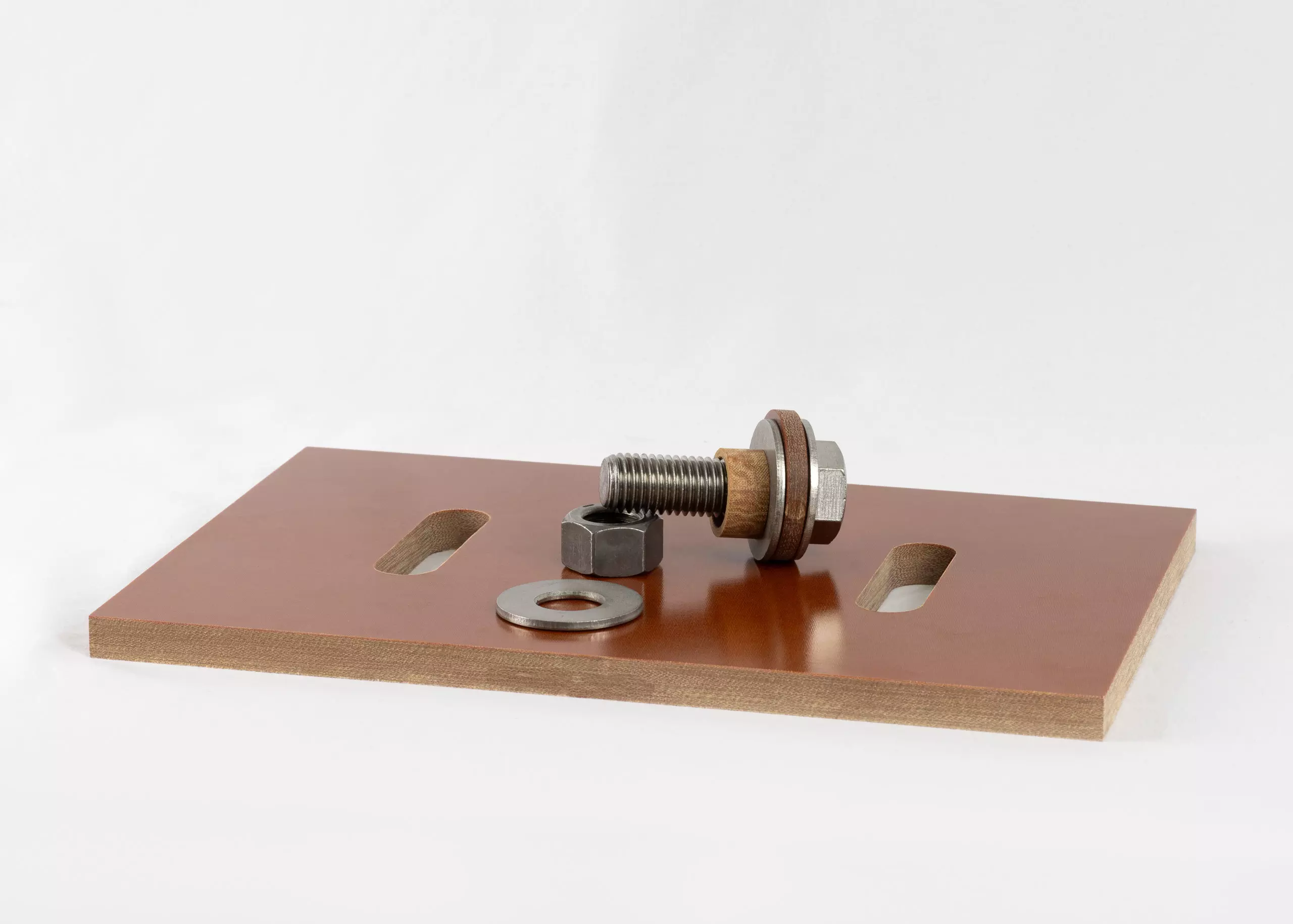
Armatherm™ FRR thermal breaks are made from a reinforced resin material that is high in strength and fire-resistant. Specifically engineered to combine low thermal conductivity with very high compressive strength, it is ideal for demanding structural connections, especially where masonry shelf angles connect to the façade to the superstructure.

How Armatherm™ FRR Improves Energy Efficiency and Reduces Condensation
Placing an Armatherm™ FRR thermal break between the steel components (e.g., the frame and the shelf angle) will significantly reduce heat transfer, improving the overall thermal performance of the building. In turn, this will reduce energy consumption and condensation risks. Armatherm™ FRR is strong and stable and will last for the life of the building.
Design Flexibility and Cost Benefits of Armatherm™ FRR
Because every project is unique, choosing the right material is critical. Armatherm™ FRR provides the design flexibility you need. FRR pads are custom-cut and drilled at our factory to fit a wide range of relief angle systems, ensuring precise alignment with bolt layouts and fastening points.
FRR pads do not need to run the full length of the shelf angle. Pads only need to be placed at the through-bolt connection points where the primary steel connection occurs and where thermal bridging is most significant. This approach delivers multiple benefits, the biggest being reduced cost.
Partnering with Armatherm™ for Long-Lasting Thermal Performance
At Armatherm™, we believe in transparency. We work directly with architects and developers to specify the right material for your project – not to oversell unnecessary products. To learn more about how Armatherm™ FRR can support your masonry relief system, contact us at [email protected] or +1 844-360-1036.
Other Articles
& Projects
The Cove: ArmaGirt Thermal Breaks Support Pursuit of LEED Points

Thermal Break Solutions in Brick Shelf Angle Support Systems
Thermal Breaking in Cladding and Modern Construction: Key to Energy Efficiency and Cost Savings
Sustainable Living Innovations – 303 Battery, Seattle WA

Insulation Solution for ALDI’s £25M Facility
University of Illinois- Townsend Hall

Armatherm thermal breaks supplied for the expansion project of Hampden Academy in Northern Maine-Case Study

Armatherm Structural Thermal Breaks used to create sustainable, luxury apartments in New York

Enhancing Energy Efficiency: Framingham State University’s Sustainable Ballroom Expansion with Armatherm